
































Rise in Air Pollution in India in 2025: Causes, Impact, and the Road Ahead
As 2025 unfolds, India continues to grapple with rising air pollution levels across major cities and rural regions alike. Despite ongoing government initiatives, stricter regulations, and improved monitoring systems, air quality has shown signs of deterioration in several parts of the country. Experts warn that unless aggressive steps are taken, pollution may reach critical levels in the coming years.
Air Quality in 2025: A Worsening Crisis
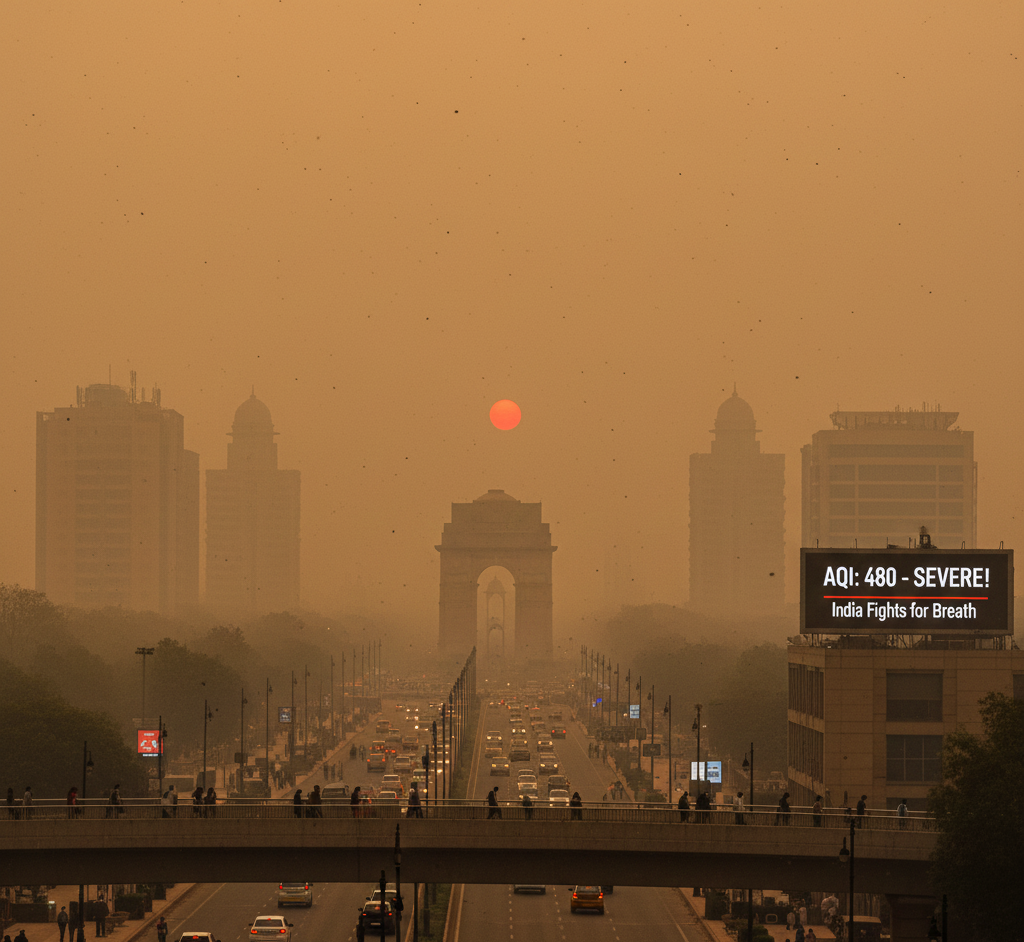
Recent data from state pollution boards and central agencies indicate a spike in Particulate Matter (PM2.5 and PM10) concentrations in cities such as Delhi, Mumbai, Lucknow, Kolkata, Kanpur, and Chandigarh. Seasonal smog events, industrial emissions, traffic congestion, and biomass burning have contributed significantly to the crisis.
In 2025:
Several cities recorded “very poor” or “severe” AQI levels
Northern India remained the worst affected, especially during winter
Rural areas near industrial corridors saw rising health complaints
Rapid urbanization added new sources of pollution
Key Causes Behind the Rise in 2025
1. Vehicular Emissions
Despite the introduction of cleaner BS-VI norms, the number of vehicles on Indian roads has grown sharply. Congestion in metro areas has increased fuel consumption and emitted more pollutants.
2. Industrial and Construction Activities
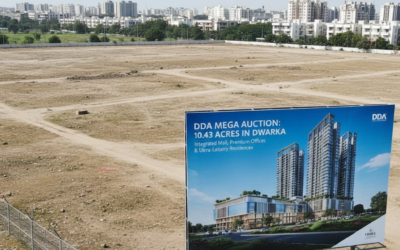
Factories, power plants, and expanding urban infrastructure continue to emit large quantities of smoke, dust, and chemical pollutants. Proper regulation and compliance remain challenges.
3. Stubble Burning
Although efforts have been made to reduce stubble burning in Punjab, Haryana, and Uttar Pradesh, the practice still persists. Farmers often lack affordable alternatives, resulting in recurring pollution spikes every winter.
4. Biomass and Household Fuel Burning
In smaller towns and villages, many households still rely on traditional fuels such as wood, coal, and cow dung, contributing significantly to PM2.5 emissions.
5. Climate Change Effects
Changing wind patterns, prolonged summers, and weaker rains in 2025 have reduced natural dispersion of pollutants, trapping smog closer to the surface.
Health Impact: An Alarming Trend
Doctors and health experts report increasing cases of:
Asthma and chronic bronchitis
COPD (Chronic Obstructive Pulmonary Disease)
Cardiovascular issues
Eye irritation and skin allergies
Low lung function in children
The World Health Organization (WHO) estimates that air pollution-linked deaths may rise further if no major intervention happens in 2025.
Government Measures in 2025
The Indian government has intensified several initiatives to combat the crisis, including:
National Clean Air Programme (NCAP) expansion with stricter targets
Green mobility promotion: EV adoption incentives and charging infrastructure
Air pollution monitoring in more districts
Crackdown on industrial polluters and illegal construction dust
Public awareness campaigns to reduce household emissions
While progress is visible, enforcement and coordination remain key challenges.
Technological Solutions Gaining Momentum
2025 has seen a rise in tech-based solutions to pollution control:
AI-backed pollution forecasting systems
Smog towers in high-density zones
Cleaner fuel technologies
Drone-based surveillance for farm fires
Green building materials and dust-control innovations
These advancements show promise but require large-scale implementation.
The Road Ahead
India’s fight against air pollution in 2025 is at a critical juncture. Experts suggest that long-term solutions must focus on:
Strengthening public transport
Transitioning fully to renewable energy
Supporting farmers with eco-friendly stubble management tools
Strict industrial regulation
Urban planning that prioritizes clean air
Without decisive action, the health and environmental costs will continue to escalate.