





























Much Of Our Problems Emanate From Pakistani Army”: S Jaishankar’s Strong Message
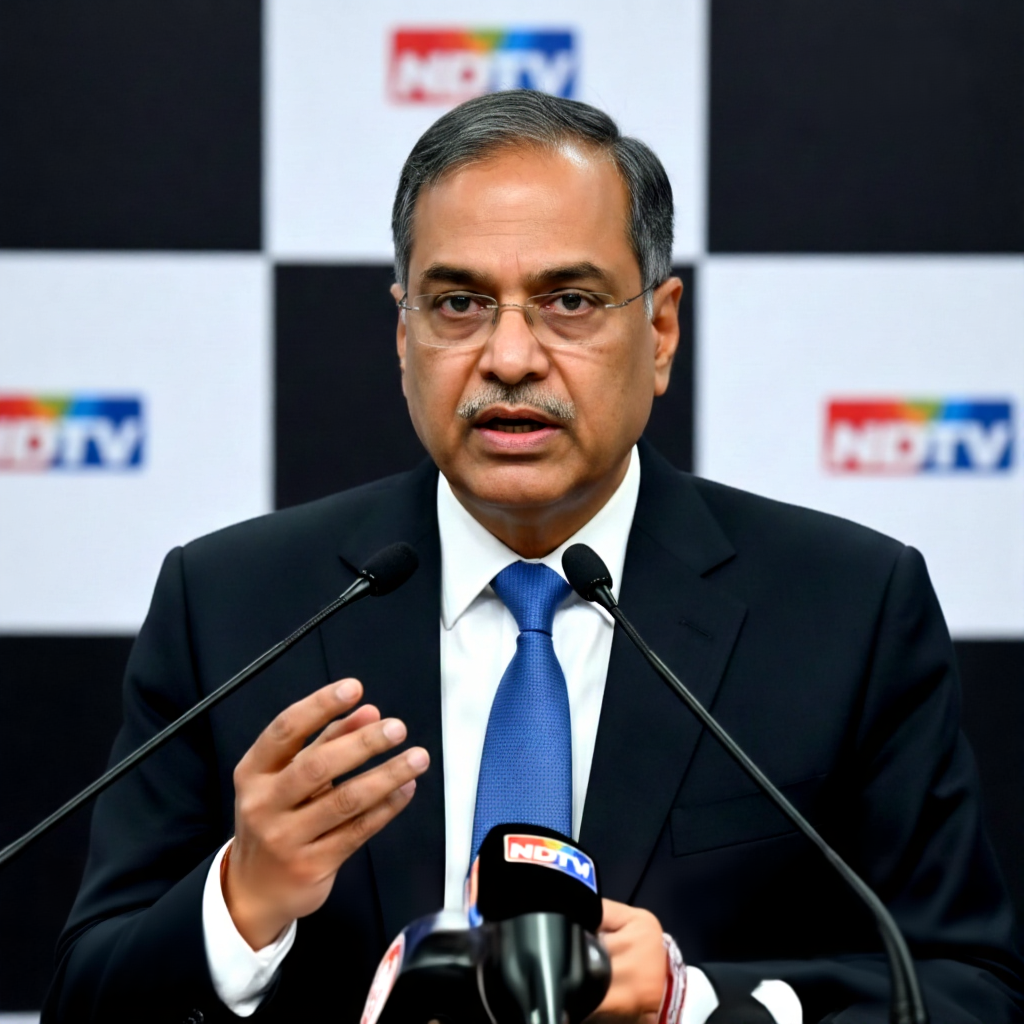
India’s External Affairs Minister S. Jaishankar, in a sharp and direct message during an exclusive conversation with NDTV, reiterated that a significant portion of India’s long-standing security and diplomatic challenges stems from the Pakistani Army. His remarks come at a crucial moment in 2025, as regional tensions, cross-border terrorism, and geopolitical realignments continue to shape South Asia’s strategic environment.
A Clear Message From India in 2025
Jaishankar’s statement reflects India’s evolving diplomatic posture—more open, assertive, and explicit about the source of destabilisation in the region. According to him, the core issue is not merely Pakistan’s political leadership or civilian institutions but the powerful military establishment that controls major national decisions.
For decades, India has maintained that:
Cross-border terrorism is orchestrated with the backing of Pakistan’s military.
Efforts at peace talks often fail due to the army’s conflicting interests.
The military establishment uses hostility with India as a tool to maintain influence domestically.
In 2025, Jaishankar emphasized that these patterns remain unchanged.
Why the Pakistani Army Remains Central to the Problem
Jaishankar highlighted several key reasons why the Pakistani Army continues to be at the heart of India’s challenges:
1. Control Over Foreign Policy
Even when civilian governments attempt dialogue, the army’s veto power often prevents progress. Decisions on India are driven by military strategy rather than democratic diplomacy.
2. Use of Terror as State Policy
Militant groups operating from Pakistan remain active, and despite international pressure, the security establishment has not dismantled the infrastructure that enables them.
3. Internal Politics Dictate External Hostility
The Pakistani Army’s role in politics often leads to using India as a narrative tool to justify its dominance. Periods of internal instability typically coincide with escalated anti-India rhetoric.
4. Strategic Calculations Against Regional Peace
India’s economic and diplomatic rise in 2025 contrasts sharply with Pakistan’s political and economic struggles. According to Jaishankar, the army sees India’s growth as a threat to its long-held narrative and influence.
India’s Firm Stance in 2025
India has adopted a doctrine of zero tolerance toward terrorism. In 2025, that policy remains unchanged, backed by:
Enhanced border security systems
Diplomatic efforts to isolate terrorist networks
Strong international partnerships
Clear communication that peace is only possible if terrorism ends
Jaishankar reiterated that dialogue and terror cannot go together, a principle India continues to adhere to.
Global Context in 2025
The year 2025 has seen shifting alliances and new strategic equations:
The United States, Europe, and several Asian nations are increasingly vocal about terrorism originating from Pakistan.
Pakistan faces economic stress, making its military’s influence even more pronounced.
India’s global footprint continues to expand, giving more weight to its diplomatic messaging.
Jaishankar’s remarks were therefore not just directed at Pakistan but also aimed at the international community—to underline that the root causes of instability must be acknowledged for meaningful peace.
What This Means for India-Pakistan Relations
In 2025, meaningful dialogue between the two countries appears unlikely unless there is a fundamental shift in Pakistan’s power structure. India remains open to peace but insists on verifiable action against terror.
Until then, Jaishankar’s message is clear:
India’s problems do not come from the Pakistani people or their elected governments, but from the entrenched military establishment that has shaped Pakistan’s entire national trajectory.