





















When world leaders travel, every detail is meticulously planned, from security arrangements to diplomatic protocols. But one aspect that often piques public curiosity, especially during high-profile visits like Vladimir Putin’s to India, is their personal preferences, particularly concerning diet. While official details on a head of state’s specific meal plans are rarely released, insights can be gleaned from past reports, general presidential travel logistics, and typical Russian culinary habits.
Vladimir Putin is known for his disciplined lifestyle, which extends to his diet. Reports from various sources over the years suggest he favors a relatively simple and healthy regimen. During his time in Russia, his diet is often described as high in protein and vegetables, with a preference for fresh, locally sourced produce. He is said to enjoy fish, lean meats, and an abundance of fruits and vegetables, often starting his day with a hearty breakfast.
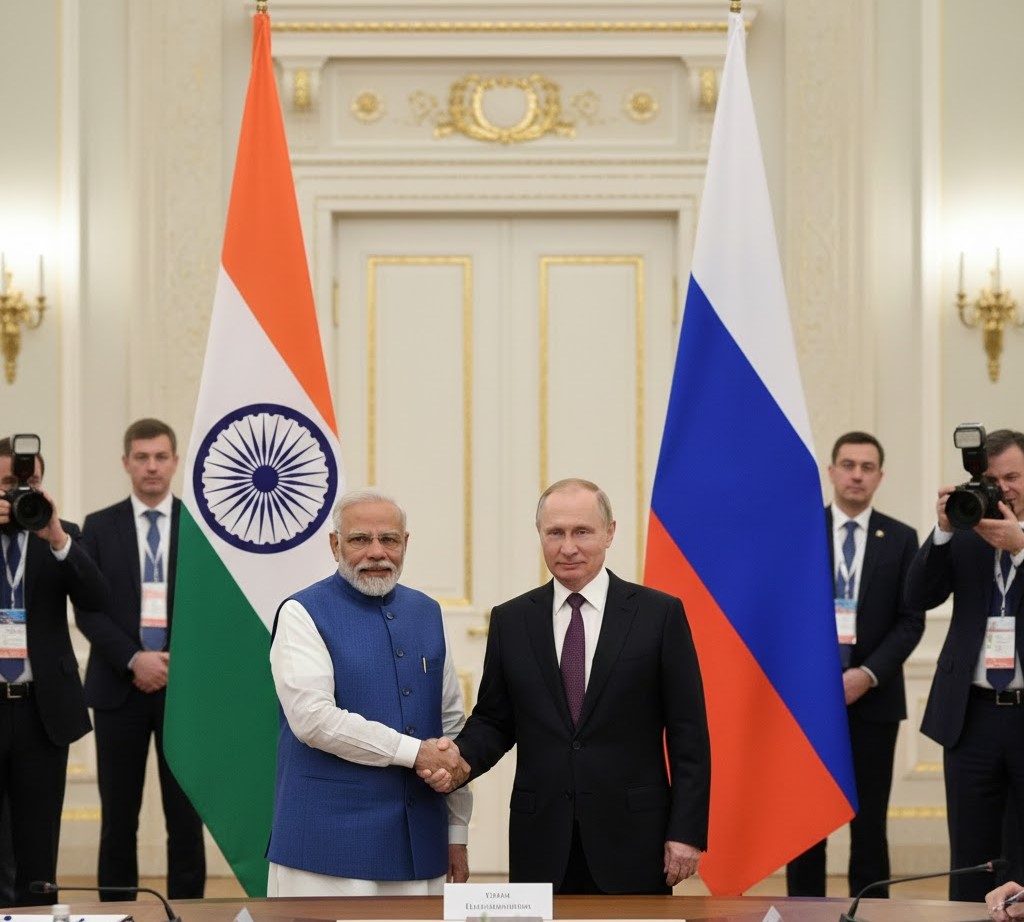
When traveling abroad, especially to countries with distinct culinary traditions like India, several factors come into play.
1. Security and Safety First: The paramount concern for any visiting head of state is food safety. This typically means that a team of Russian chefs or security personnel will vet or even prepare his meals. Ingredients might be sourced locally but inspected rigorously, or in some cases, even flown in from Russia. The risk of food poisoning or, more sinisterly, tampering, means extreme caution is exercised.
2. A Nod to Local Flavors (with Caution): While security is tight, there’s often an effort to incorporate some local flavors, particularly in diplomatic dinners or state banquets. However, for the President’s personal consumption, this would likely be done under strictly controlled conditions. For Putin, who is reportedly not adventurous with his food, any Indian dishes served would likely be milder, less spicy versions, prepared to his team’s specifications. He is known to appreciate simplicity, so intricate curries might be less likely than perhaps a well-prepared paneer dish or a simple dal.
3. Maintaining Routine: Leaders on tight schedules often prefer to stick to a routine that keeps them feeling energized and focused. This means predictable, healthy meals that don’t cause digestive issues or unexpected reactions. He is known to avoid processed foods, and this adherence to a clean diet would undoubtedly continue on his travels. Herbal teas, fresh juices, and plenty of water are often part of his daily intake.
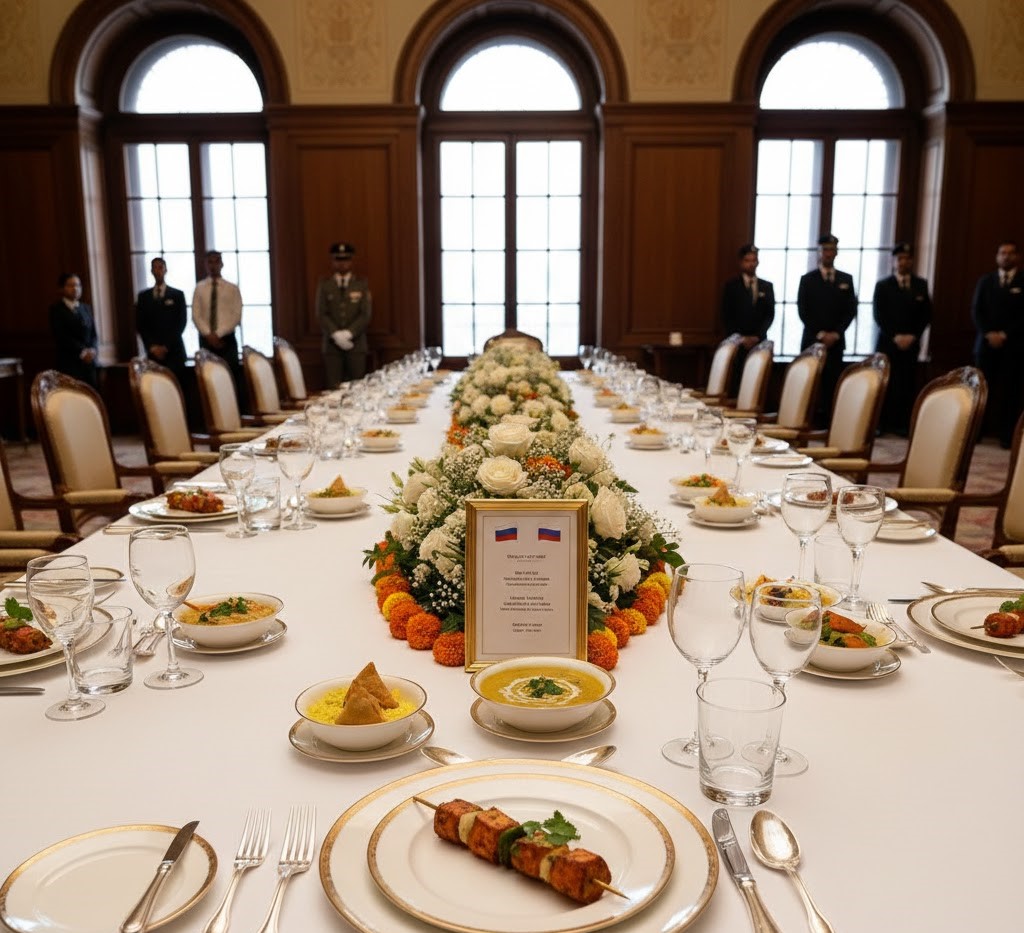
4. The Role of Official Banquets: State dinners are a different affair. These are carefully curated culinary experiences designed to showcase the host country’s hospitality and gastronomic prowess. While Putin might sample various dishes presented, his main sustenance would likely come from meals prepared or approved by his own team. The dishes at such events would be a blend of Indian and international cuisine, catering to a diverse palate while often highlighting regional specialties.
In essence, while Putin’s India visit would undoubtedly expose him to the vibrant culinary landscape of the subcontinent, his personal diet would remain firmly under the careful watch of his own staff. His preference for simple, healthy, and safe food would be the guiding principle, ensuring he remains at his best to navigate the complexities of international diplomacy.
Beyond the Banquet: The Military Precision of Vladimir Putin’s Diet on Foreign Soil
While state visits are a showcase of diplomacy and cultural exchange, for a world leader like Russian President Vladimir Putin, personal sustenance is a matter of strict protocol and security, elevating meal planning to near-military precision. During his travels to India, the focus shifts from sampling local delicacies to ensuring absolute dietary control, a system honed over decades to maintain his health and security.
🛡️ The ‘Mobile Food Lab’ and Personal Chefs
The most significant deviation from a typical foreign dignitary’s experience is the presence of Putin’s dedicated food security detail. Reports suggest that he rarely consumes food prepared by the host country’s chefs unless it has been rigorously vetted by his own team.
Traveling Kitchen Staff: Putin is typically accompanied by a team of Russian chefs who prepare his meals in secure, controlled kitchens set up at his place of stay.
The Food Testers: Before any dish reaches the President, it is often subjected to meticulous inspection. Some reports even mention a mobile food-testing laboratory traveling with the convoy, ensuring every ingredient and final dish is free from contaminants or poisons.
Sourced Securely: Ingredients are either flown in from Russia or locally sourced and subjected to intensive security checks by his advance team. This level of control is a non-negotiable part of the Presidential Security Service (SBP) protocol.
This system means that even when attending a grand state banquet in his honour—like those previously hosted in India featuring Mughlai and Kashmiri flavors like Haak ka Saag or Galauti Kebabs—the food on the President’s plate is almost certainly a safe, controlled version from his own supply, even if it aesthetically matches the menu.
🍽️ A Diet of Discipline: What Putin Actually Eats
Despite the elaborate security, Putin’s personal dietary preferences are surprisingly simple, healthy, and high-protein, supporting his demanding schedule and active lifestyle.
The Consistent Breakfast Powerhouse
His morning meal is the most consistent and arguably the most important for his high-energy demands. He reportedly favors:
Porridge: A staple for sustained energy.
Tvorog (Russian Cottage Cheese) with Honey: A high-protein, low-sugar combination for muscle fuel and satiety.
Raw Quail Eggs: Consumed as a drink, they are a rich source of Vitamin B12 and protein.
Fresh Juices: Often including a mix of beetroot and horseradish for its health benefits.
Lunch, Dinner, and Indulgences
Given his tight schedule, the rest of his day is less rigidly structured around meals.
Preferred Mains: He prefers fish (like trout or sturgeon) over red meat, and lamb is a favored alternative.
Vegetables: His plate is dominated by simple salads—tomatoes, cucumbers, and greens. He avoids overly rich, buttery, or heavily spiced foods.
The Dinner Skip: He often skips dinner entirely, attributing it to a lack of time. In the afternoon, he may have fruit or kefir (a fermented dairy drink).
Rare Treat: His only known, rare indulgence is pistachio ice cream.
In conclusion, a visit to India for President Putin means balancing the diplomatic necessity of state dinners with the unwavering protocol of personal safety. The exotic Indian menu is a courtesy, but the actual food he consumes is a testament to an extraordinarily rigorous and health-focused dietary regimen that ensures maximum focus for the high-stakes political talks.