

































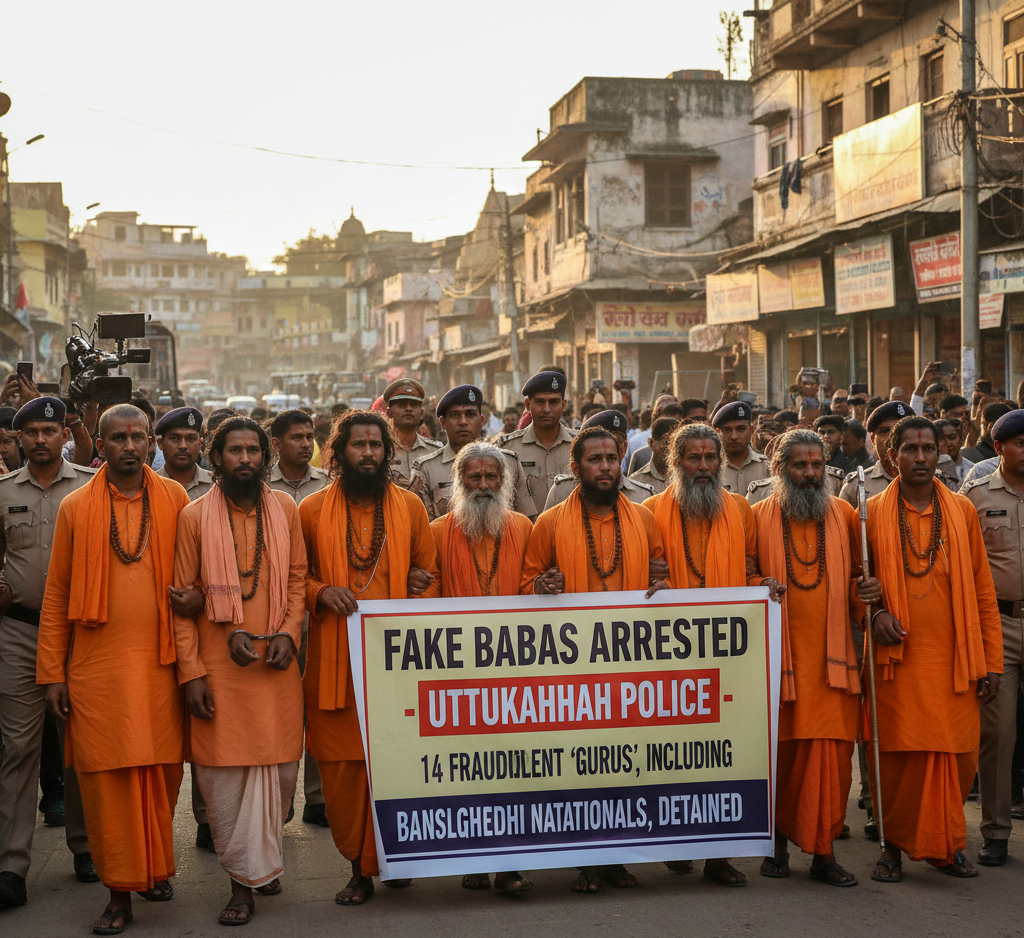
Bangladeshi Nationals Among 14 ‘Fake Babas’ Arrested in Uttarakhand 2025 — A Deep Dive Into the Growing Trend of Spiritual Fraud
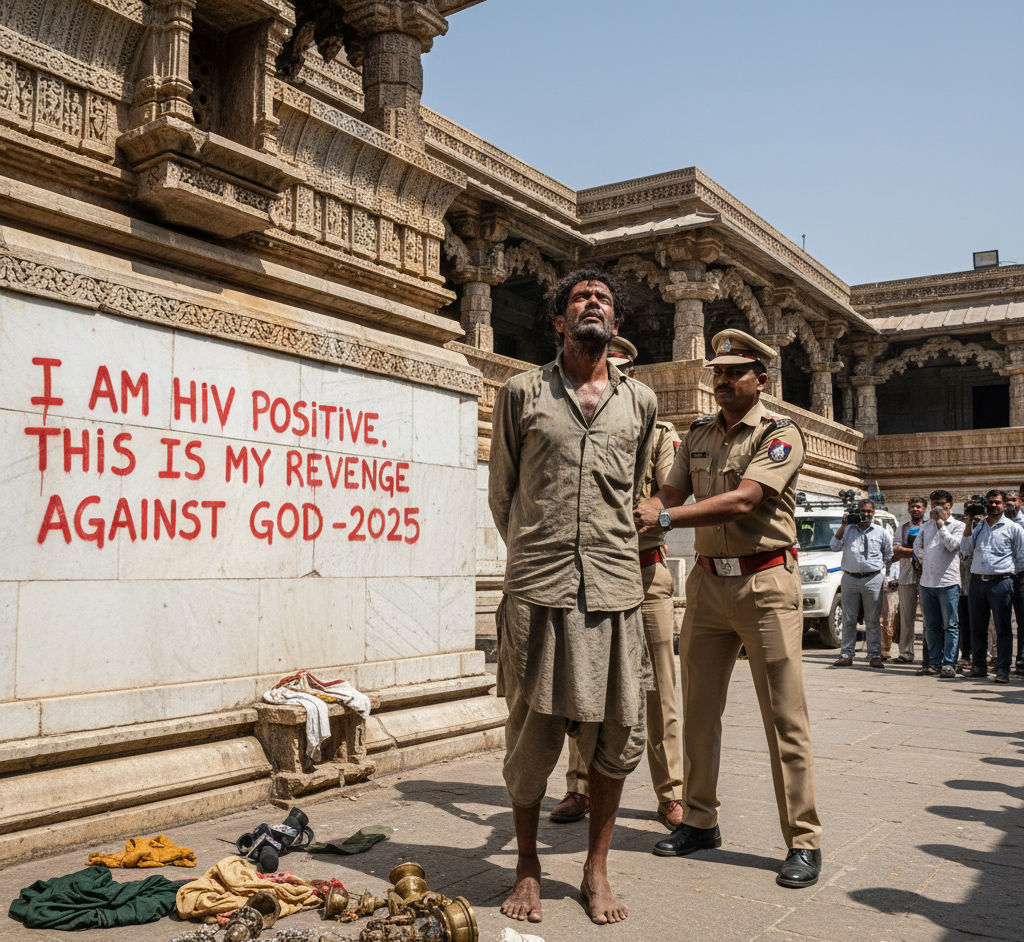
In a major crackdown on spiritual fraud in 2025, Uttarakhand Police arrested 14 individuals posing as ‘fake babas’, including several Bangladeshi nationals who had allegedly been operating under false identities. The arrests have once again brought the spotlight on the exploitation of religious sentiments and the misuse of spiritual platforms for financial gain across northern India.
A Well-Organised Network Exposed in 2025
The operation, conducted across Haridwar, Rishikesh, and parts of Dehradun, revealed that many of the accused had entered India illegally and were living under forged documents. According to officials, the group had set up makeshift ashrams, claimed supernatural healing powers, and collected money through ‘donations’, ‘special rituals’, and fake blessings.
The year 2025 has seen a sharp rise in complaints regarding fraudulent spiritual figures. Residents and devotees reported suspicious activities, prompting authorities to investigate the unexpected surge in new babas and ashrams.
How the Fake Babas Operated
Investigators found that the accused used a mix of:
Fake miracles and staged healing sessions
Manipulated religious symbols to appear authentic
False identity cards to rent properties and travel
Social media promotion, targeting vulnerable people
Emotional manipulation, especially of elderly and financially weak devotees
These deceptive practices allowed them to earn large sums quickly, while also avoiding attention from local authorities—until the 2025 crackdown.
Bangladeshi Nationals Under Scrutiny
Among the 14 arrested, multiple suspects were from Bangladesh, raising concerns about cross-border infiltration and organised fraud. Authorities believe these individuals were part of a larger network operating under the guise of spiritual tourism in Uttarakhand.
The involvement of foreign nationals has prompted security agencies to:
Re-examine border surveillance
Verify document authenticity of religious figures
Monitor financial transactions linked with ashrams
Impact on Devotees and Local Communities
For many locals, the discovery was unsettling. Uttarakhand, home to sacred places such as Haridwar and Rishikesh, attracts millions of pilgrims yearly. The presence of fraudulent spiritual leaders damages both the sanctity of these spaces and the trust of devotees.
Many visitors in 2025 reported feeling misled, having contributed money in good faith to what they believed were genuine spiritual causes.
Government & Police Response in 2025
Authorities have announced stricter guidelines for:
Registration of spiritual organisations
Verification of foreign nationals claiming to be gurus
Monitoring of charity funds
Crackdown on illegal immigration
The Uttarakhand Police emphasised that the campaign against fake babas will continue throughout 2025, as similar fraudulent groups are suspected to be active across the state.
A Wake-Up Call for Pilgrims in 2025
The arrests serve as a reminder for devotees to:
Verify the credentials of spiritual leaders
Be cautious about handing over large sums of money
Avoid unregistered or suspicious ashrams
As the state gears up for another busy pilgrimage season in 2025, officials are urging people to rely only on recognised spiritual institutions.
Conclusion
The arrest of 14 fake babas, including Bangladeshi nationals, marks one of the most significant crackdowns in Uttarakhand in 2025. It highlights the rising challenge of spiritual fraud and the need for awareness, vigilance, and strong enforcement. With more oversight and stricter regulations, the state aims to protect both its spiritual heritage and the millions of devotees who visit its holy cities every year.