


































The Art of Anticipation: How To Prepare For A Christmas Plum Cake (7 Tips To Perfect Your Bake)
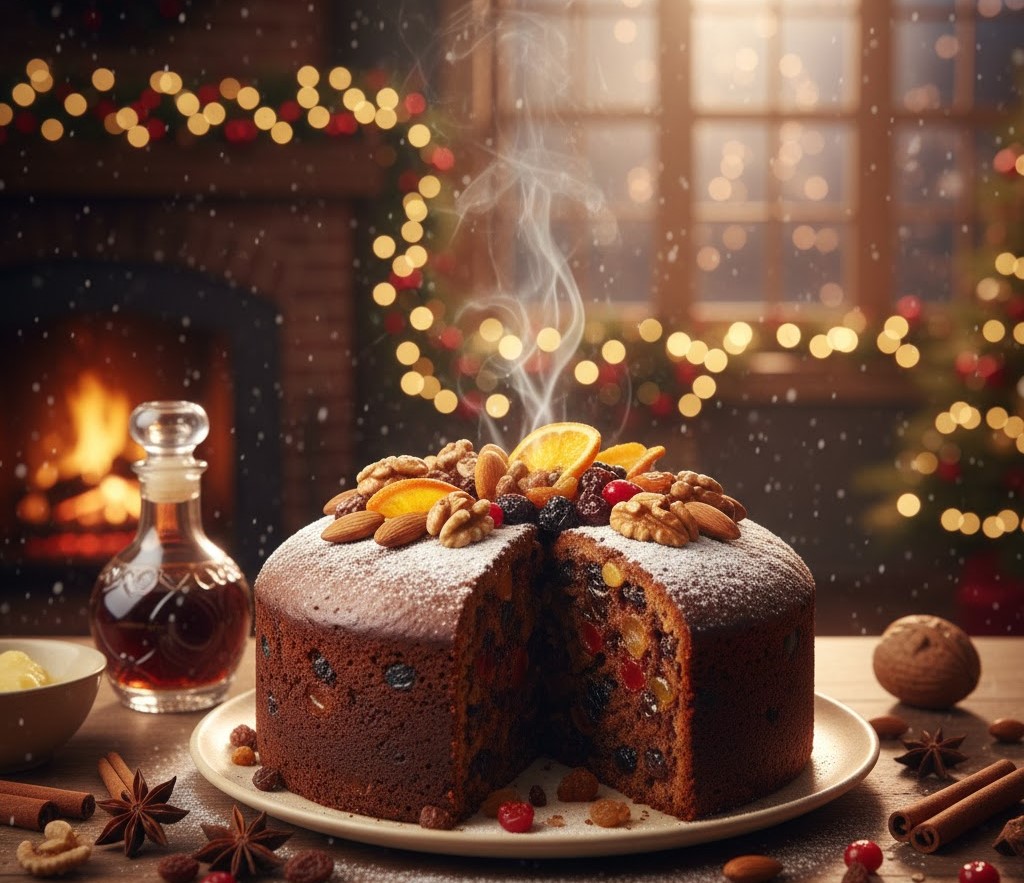
There’s something uniquely magical about a Christmas plum cake. It’s more than just a dessert; it’s a labor of love, a tradition, and a symbol of festive cheer. Unlike many other cakes, a truly great plum cake isn’t just baked; it’s prepared, often weeks or even months in advance. The anticipation is part of its charm.
If you’re dreaming of a rich, moist, fruit-laden plum cake that will impress your family and friends this holiday season, then getting started early is key.
Here are 7 essential tips to perfect your Christmas plum cake bake:
1. Begin with the Soak (Months, or at Least Weeks, Ahead!)
This is perhaps the single most important step. Don’t wait until a few days before Christmas!
The Tip: Start soaking your dried fruits and nuts in a generous amount of dark rum, brandy, orange juice, or a combination, at least 4-6 weeks in advance. Some enthusiasts even start 2-3 months prior!
Why it Works: This long soak allows the fruits to plump up beautifully, absorb the liquid, and develop deep, complex flavors. It also contributes significantly to the cake’s ultimate moisture and ensures the fruits don’t dry out during baking. Store the soaked fruits in an airtight container in a cool, dark place, shaking occasionally.
2. Quality Ingredients Make All the Difference
A plum cake is only as good as its ingredients. Don’t skimp!
The Tip: Invest in high-quality dried fruits (raisins, currants, sultanas, glacé cherries, candied peel, figs, dates), fresh nuts (almonds, walnuts, pecans), real butter, good quality molasses or dark brown sugar, and aromatic spices.
Why it Works: Cheap, dry fruits will result in a dry, flavorless cake. Fresh nuts provide a better texture and taste. Authentic spices like cinnamon, nutmeg, cloves, and ginger are crucial for that characteristic Christmas aroma.
3. Toast Your Nuts for Deeper Flavor
A small extra step that yields big flavor rewards.
The Tip: Lightly toast your almonds, walnuts, or pecans in a dry pan or oven before adding them to the soaked fruit mixture. Let them cool completely.
Why it Works: Toasting brings out the natural oils and enhances the nutty flavor, adding another layer of complexity to your cake.
4. Don’t Skimp on the Spices (But Balance Them!)
Spices are the soul of a plum cake.
The Tip: Use a generous hand with your mixed spice blend. Include cinnamon, nutmeg, ground cloves, ginger, and allspice. You can even add a touch of cardamom or star anise for a unique twist.
Why it Works: These warming spices are what give Christmas plum cake its signature aroma and taste. Just ensure you balance them so no single spice overpowers the others. Freshly ground spices are always superior.

5. Grease and Line Your Tin Properly
Preventing sticking is crucial for a beautiful cake.
The Tip: Generously grease your cake tin with butter, then line the bottom and sides with a double layer of parchment paper. Ensure the paper stands a couple of inches above the rim of the tin.
Why it Works: Plum cakes are dense and bake for a long time. The double lining protects the sides from over-browning and helps the cake cook evenly, ensuring it doesn’t stick and comes out perfectly formed.
6. Bake Low and Slow for Perfection
Patience is a virtue, especially with plum cake.
The Tip: Bake your plum cake at a relatively low temperature (around 140-150°C or 275-300°F) for a longer duration. Exact times vary by size, but it can be anywhere from 2 to 4+ hours.
Why it Works:
This slow baking prevents the outside from burning before the dense interior is cooked through. It allows the flavors to meld beautifully and ensures a moist, evenly baked cake. Check for doneness with a skewer inserted into the center – it should come out clean.
7. Feed Your Cake for Ultimate Moistness and Flavor (The “Maturation” Process)
This is where the magic truly happens post-bake.
The Tip: Once your cake is baked and cooled, prick holes all over the top with a skewer and periodically “feed” it with a tablespoon or two of brandy, rum, or sherry over several weeks. Store it wrapped tightly in parchment paper, then foil, and keep it in an airtight container.
Why it Works: Feeding the cake keeps it incredibly moist and allows the flavors to deepen and mature beautifully. The alcohol acts as a preservative, enhancing the cake’s longevity and richness. Start feeding it weekly, then reduce to every couple of weeks, depending on how long you store it.
Preparing a Christmas plum cake is a journey, not a sprint. By following these tips and embracing the process, you’ll create a delicious, moist, and perfectly flavored cake that embodies the true spirit of the festive season. Happy baking!