


































Rome To Charge Tourist Fee For Trevi Fountain: Why This Spot Is Iconic
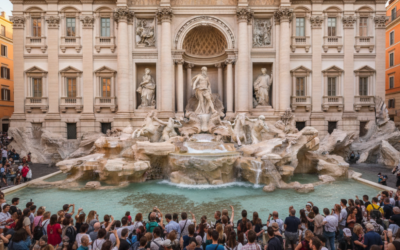
Rome, one of the world’s most visited cities, is preparing to introduce a new tourist fee for visitors stopping at the Trevi Fountain — a move aimed at managing heavy footfall and preserving one of Italy’s most treasured cultural landmarks. The decision highlights the growing global challenge of balancing tourism revenue with heritage conservation, especially at destinations that attract millions of visitors every year.
A Step Toward Sustainable Tourism
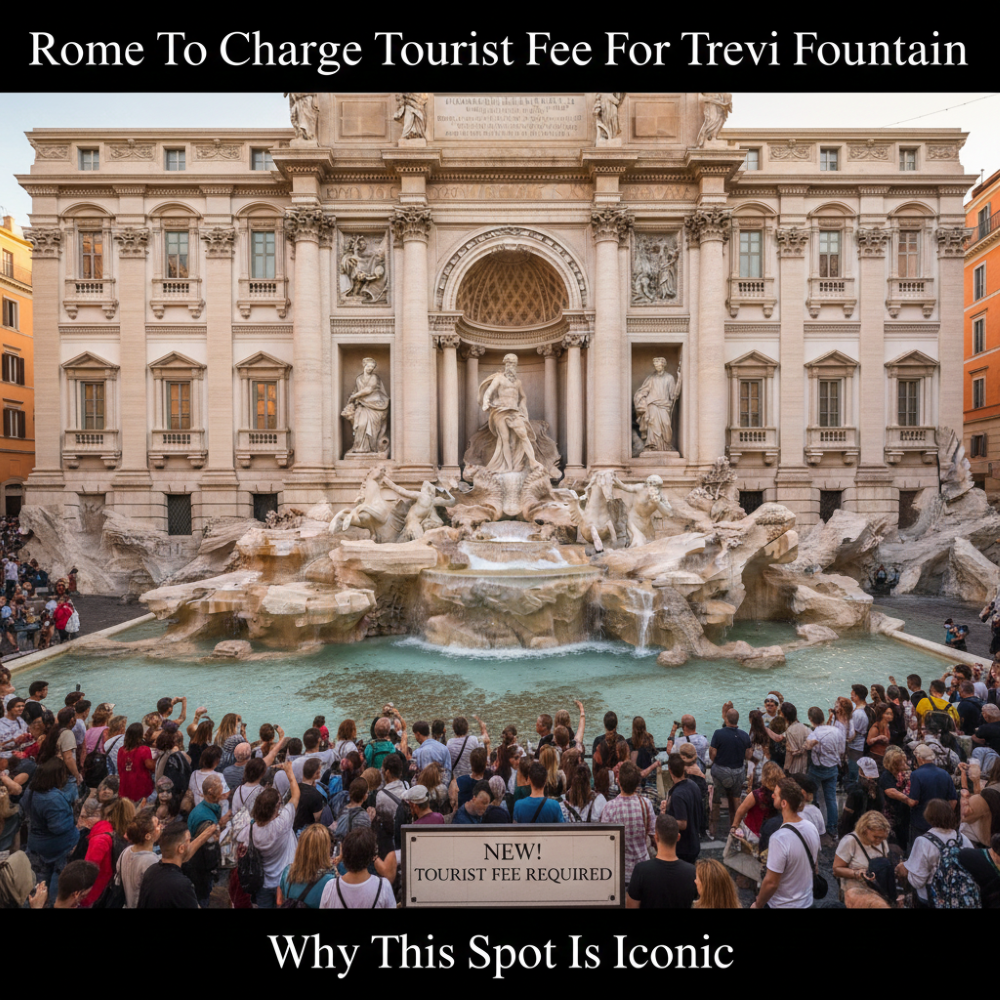
The Trevi Fountain draws enormous crowds daily, often leading to overcrowding in the narrow surrounding streets. Local authorities have stressed that the new fee is not simply a revenue measure but part of a broader effort to regulate tourist flow, enhance safety, and maintain the monument.
Funds collected through the fee are expected to support cleaning, restoration, crowd management, and urban maintenance in the historic center. Rome has taken inspiration from other European cities that have begun charging conservation-based tourism fees to protect heritage structures from wear and environmental stress.
The Legacy Of The Trevi Fountain
The Trevi Fountain is far more than a sightseeing attraction — it is a masterpiece of Baroque art and a symbol of Rome’s timeless elegance. Completed in the 18th century, the fountain stands at the end of the Aqua Virgo aqueduct, originally constructed during the Roman Empire to supply water to the city.
Designed by architect Nicola Salvi and later completed by Giuseppe Pannini, the fountain features grand sculptural elements depicting Oceanus, tritons, horses, and mythological motifs. The dramatic stone façade and cascading water create a theatrical, almost cinematic atmosphere that has captivated travelers for centuries.
A Global Cultural Icon
The Trevi Fountain gained worldwide fame through cinema, most notably in films such as La Dolce Vita, where the iconic scene of Anita Ekberg wading into the fountain forever tied its image to romance and nostalgia. Since then, it has become a symbol of love, dreams, and unforgettable travel memories.
A long-standing tradition invites visitors to toss a coin into the fountain, with the belief that doing so ensures a return to Rome. Every year, thousands of kilograms of coins are collected from the fountain and donated to charity — turning a simple tourist ritual into a meaningful act of goodwill.
Tourism Pressure And Monument Protection
With millions of visitors flocking to the landmark each year, authorities face growing challenges related to crowding, vandalism attempts, and structural strain. Periodic restoration efforts are essential to preserve the marble sculptures and architectural details, which are constantly exposed to weather, pollution, and physical contact.
The upcoming fee is seen as part of a responsible tourism model that encourages visitors to respect heritage spaces while contributing to their protection. Officials emphasize that the aim is not to discourage travel, but to ensure that the Trevi Fountain remains intact for future generations.
A Symbol Of Rome’s Eternal Charm
Despite evolving tourism regulations, the Trevi Fountain retains its magic — a place where history, art, mythology, and human emotion merge into one breathtaking experience. Its cascading waters, majestic sculptures, and romantic aura continue to inspire travelers from across the world.
For many visitors, standing before the fountain is more than a sightseeing stop — it is a connection with centuries of Roman culture and a moment of wonder in the heart of the Eternal City.