













Humayun Kabir Drops Influencer Over “Reels”, She Says “Because I’m Hindu” — Controversy Sparks Debate on Social Media, Identity, and Tolerance in 2025
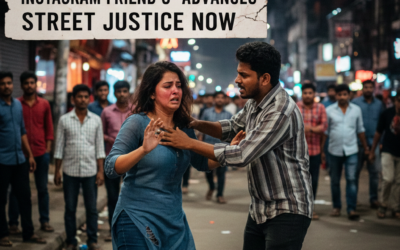
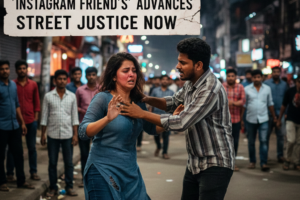
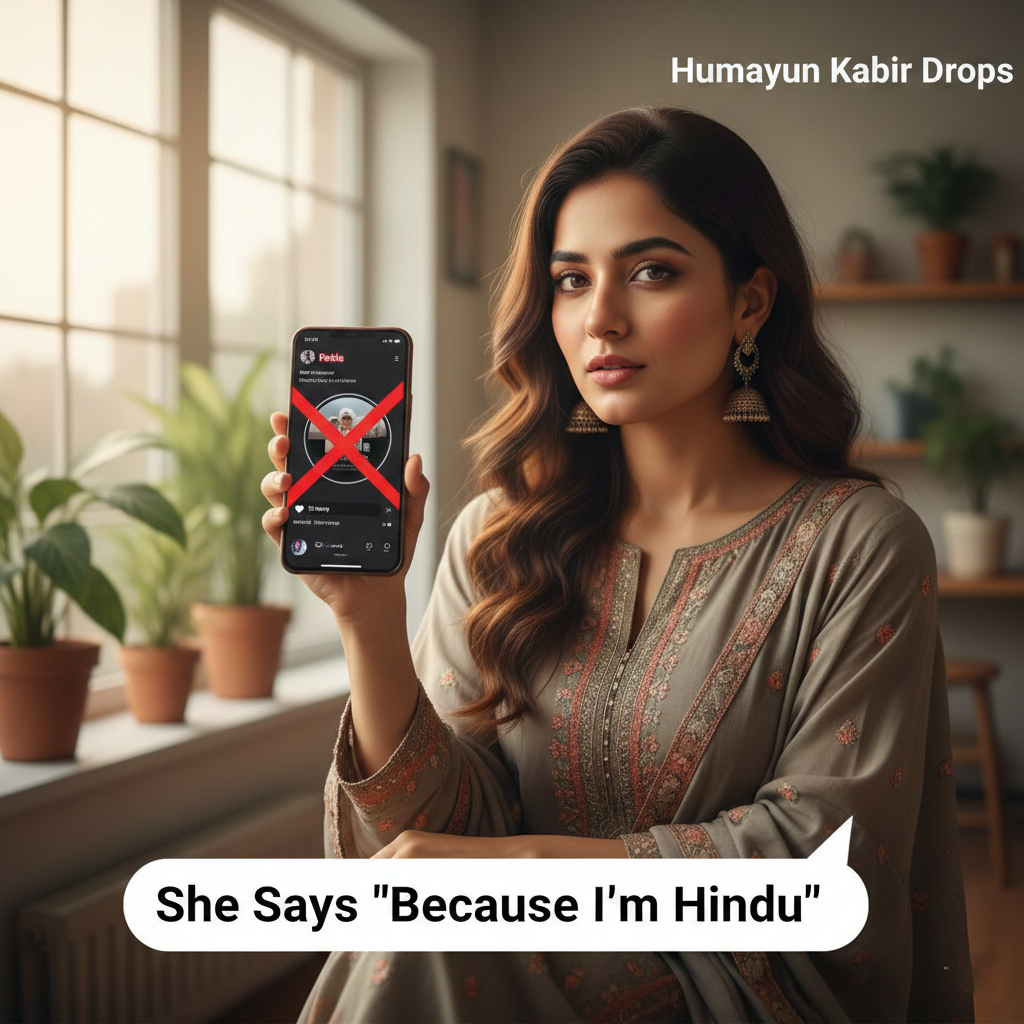
A major online controversy has erupted after an influencer alleged that she was dropped from a collaboration by Humayun Kabir over the kind of “reels” she posted, claiming that the real reason behind the decision was her religious identity as a Hindu. The incident has triggered heated conversations about discrimination, online culture wars, and the fragile relationship between creativity and ideology as the social media landscape moves toward 2025.
According to the influencer, she was initially shortlisted for a promotional campaign but was later informed that she would no longer be part of the project. She alleges that while the stated reason was related to the style and content of her short-video reels, she was privately conveyed — directly or indirectly — that her religion was the underlying factor. Her statement, “because I’m Hindu,” quickly spread online, amplifying discussions about intolerance and bias in digital collaborations.
Allegations and Denials
The controversy has two sharply opposing narratives. Supporters of the influencer argue that creators should be evaluated on talent and professionalism, not their religious background. They claim the situation reflects growing social polarization that risks deepening further in 2025 if not addressed openly.
On the other hand, associates of Humayun Kabir have reportedly maintained that the decision was based purely on content strategy, branding alignment, and public image considerations — not religion. They argue that reel themes, tone, and audience engagement targets often determine which influencer fits a campaign, and any communal angle is being wrongly introduced.
Social Media Reactions and Public Mood
Social media platforms have turned into active battlegrounds, with hashtags, reactions, and opinion threads multiplying rapidly. Many users have raised questions about religious bias, while others emphasize the danger of jumping to conclusions without complete evidence.
Observers note that as 2025 approaches, digital influencer marketing has become a powerful economic ecosystem, and controversies involving religion or identity can instantly spiral into national debates. The case has therefore become larger than a single collaboration — it has morphed into a reflection of online India’s evolving sensitivities and divisions.
Broader Questions on Identity and Creative Freedom
The incident has also revived discussion on the intersection of:
identity and employment
brand image and religious expression
social media activism and accountability
freedom of expression within influencer culture
Experts point out that creators in 2025 operate in a climate where every post, reel, caption, or opinion can be politically interpreted. Brands and collaborators often make cautious choices to avoid backlash, but these choices can sometimes be perceived as discriminatory or biased, especially when religious identity is mentioned.
Call for Clarity and Fair Investigation
Several voices from civil society and digital rights groups have suggested that the issue be addressed transparently. They stress that if discrimination occurred, it raises serious ethical and legal concerns; if not, clarifying facts is equally necessary to prevent misinformation and social unrest.
As of now, the controversy continues to evolve, with both sides standing firm on their positions.
The Road Ahead in 2025
The debate highlights a reality that 2025’s digital economy must confront — the need for:
fair collaboration policies
unbiased selection criteria
transparent communication
sensitivity across identities and beliefs
The incident involving Humayun Kabir and the influencer serves as a reminder that social media fame, business collaborations, and personal identity are increasingly intertwined. Whether the allegations prove correct or not, the episode has undoubtedly ignited a wider conversation India will continue to grapple with in 2025 and beyond.