

































Bill Gates, Noam Chomsky Seen in Fresh Pictures From Jeffrey Epstein’s Estate, Spark Renewed Debate
Freshly surfaced photographs allegedly showing Microsoft co-founder Bill Gates and renowned intellectual Noam Chomsky at the estate of disgraced financier Jeffrey Epstein have reignited public discussion around past associations with Epstein and the broader questions of accountability, transparency, and context.
The images, which began circulating widely online, have drawn global attention due to the high-profile status of the individuals involved and Epstein’s notorious criminal history.
What the Pictures Show
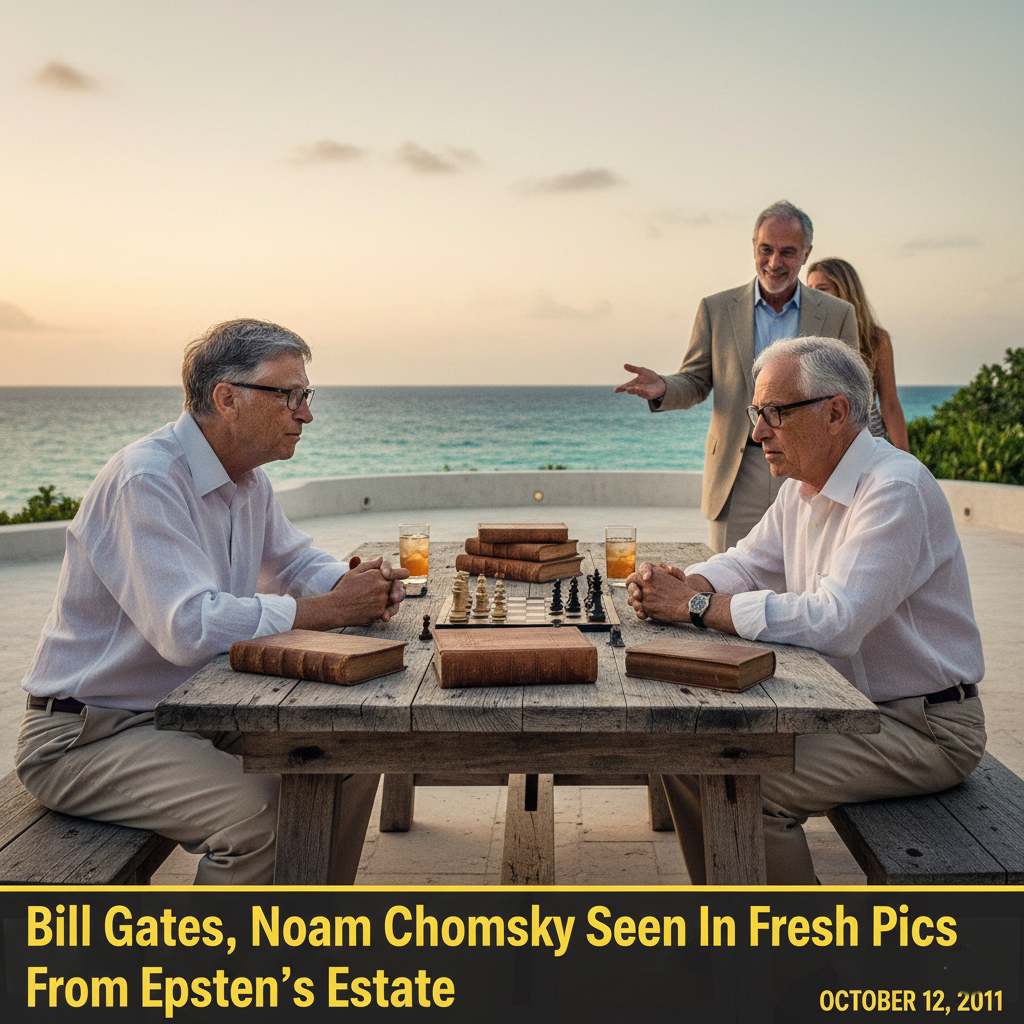
The photographs reportedly depict Bill Gates and Noam Chomsky at Epstein’s property during separate visits. The images appear to be from years before Epstein’s arrest on sex trafficking charges, but their resurfacing has sparked renewed scrutiny.
It is important to note that the pictures do not suggest any illegal activity by Gates or Chomsky. However, given Epstein’s widely documented crimes, any association — even historical — continues to provoke intense public reaction.
Context of Epstein’s Network
Jeffrey Epstein maintained connections with a wide range of influential figures across politics, business, academia, and entertainment. Many of these associations occurred before the full extent of his criminal activities became publicly known.
Following Epstein’s arrest and death, past meetings and social interactions involving prominent individuals have repeatedly come under examination, often years after they occurred.
Bill Gates and Past Clarifications
Bill Gates has previously acknowledged meeting Epstein in the past and has publicly stated that the association was a mistake. He has said that those interactions did not involve any business partnership or inappropriate conduct and that he regrets engaging with Epstein.
Gates has also emphasized that he severed contact once he realized the association was inappropriate.
Noam Chomsky’s Position
Noam Chomsky has earlier addressed questions about his interactions with Epstein, explaining that their meetings were related to academic or intellectual discussions. He has maintained that he was unaware of Epstein’s criminal activities at the time.
Chomsky has consistently denied any wrongdoing and has criticized attempts to conflate casual or professional interactions with complicity in crimes.
Public Reaction and Online Debate
The resurfacing of the images has sparked polarized reactions. Some critics argue that powerful figures should be held to higher standards of judgment regarding their associations. Others caution against guilt by association, stressing that presence at Epstein’s estate does not imply involvement in criminal acts.
Social media discussions have ranged from calls for greater transparency to warnings against sensationalism.
Legal and Ethical Distinctions
Legal experts note a clear distinction between association and accountability. While Epstein’s crimes are undisputed, merely appearing in photographs or having past contact with him does not constitute legal wrongdoing unless supported by evidence.
Ethically, however, public figures often face heightened scrutiny over their choices and relationships, especially when linked to individuals later exposed for serious crimes.
Why These Images Resurface
Observers point out that renewed attention often coincides with broader discussions about power, privilege, and accountability. Epstein’s case remains a symbol of how wealth and influence can shield individuals for extended periods.
As a result, any new material related to his circle tends to resurface periodically, triggering renewed public discourse.
Impact on Public Discourse
The images have once again fueled debate about:
Transparency among global elites
The dangers of social and professional networks built around unchecked power
How society distinguishes between proximity and participation
These discussions reflect broader concerns about systemic failures that allowed Epstein to operate for years.
Need for Responsible Interpretation
Journalists and experts have urged caution in interpreting such material. They emphasize the importance of context, verified timelines, and avoiding assumptions that could unfairly damage reputations.
Fact-based scrutiny, they argue, must replace speculation to ensure accountability without injustice.
Conclusion
The emergence of fresh images of Bill Gates and Noam Chomsky from Jeffrey Epstein’s estate has once again placed the spotlight on the late financier’s extensive network and the enduring questions surrounding it. While the photos themselves do not allege wrongdoing, they highlight the lasting impact of Epstein’s crimes on public trust and discourse.
As conversations continue, the episode serves as a reminder of the importance of transparency, responsible judgment, and the need to separate verified facts from inference in cases involving high-profile figures.