



































Reversing Prediabetes Can Reduce Risk of Heart Disease Death by 60%, Study Finds
Reversing prediabetes could significantly lower the risk of dying from heart disease, according to a major new study that highlights the powerful impact of early lifestyle intervention. The findings underscore the importance of identifying and managing prediabetes before it progresses into full-blown type 2 diabetes or causes irreversible cardiovascular damage.
Prediabetes, a condition marked by higher-than-normal blood sugar levels that are not yet high enough to be classified as diabetes, affects millions of people worldwide. Often silent and symptom-free, it is increasingly being recognised as a serious health warning rather than a benign stage.
What the Study Reveals
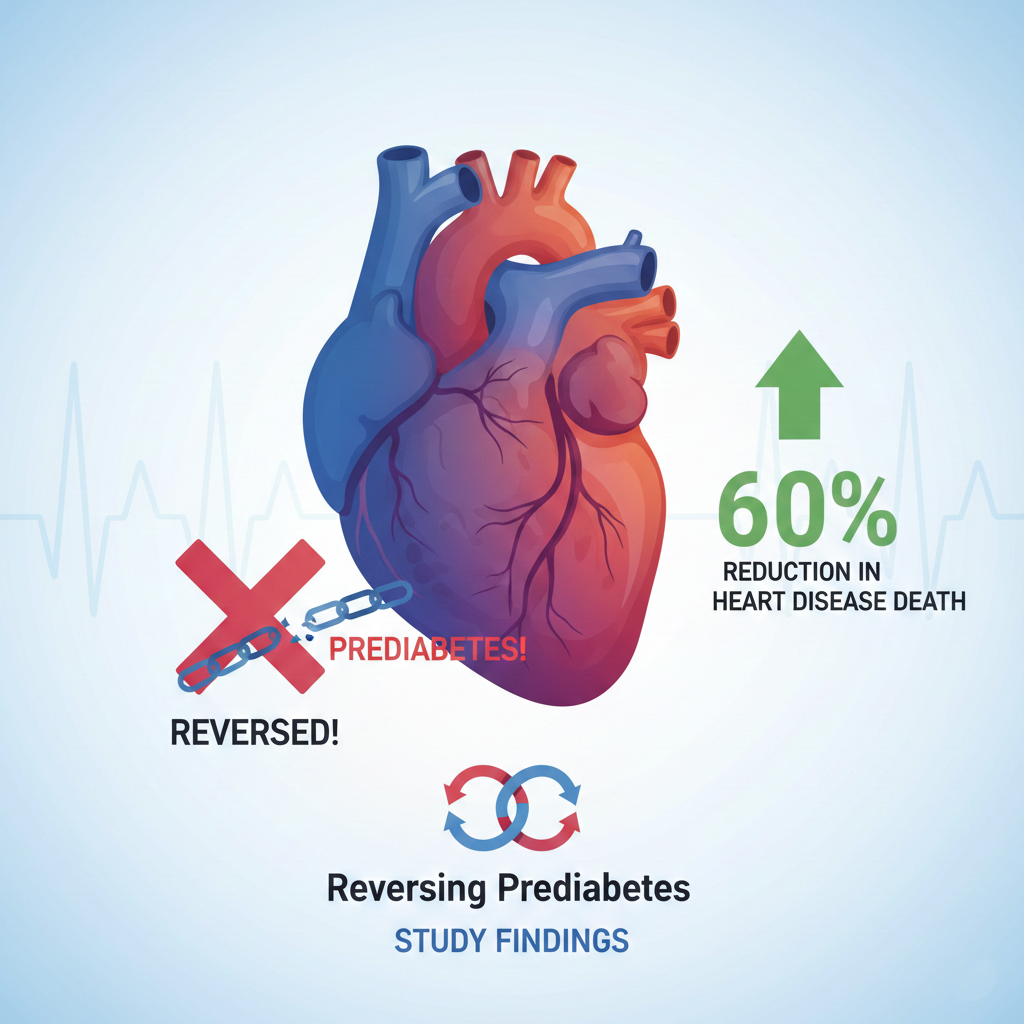
The study found that individuals who successfully reversed prediabetes — bringing blood sugar levels back to a healthy range — experienced up to a 60% reduction in the risk of death from heart disease compared to those whose condition progressed or remained unmanaged.
Researchers observed participants over several years, tracking blood sugar levels, cardiovascular outcomes, and overall mortality. Those who achieved normal glucose regulation showed markedly better heart health outcomes, including fewer heart attacks, strokes, and cardiac-related deaths.
The findings suggest that prediabetes is not just a precursor to diabetes, but an independent risk factor for cardiovascular disease — one that can be substantially mitigated with timely action.
Why Prediabetes Increases Heart Risk
Prediabetes affects the body in ways that go beyond blood sugar levels. Even mild glucose imbalance can:
Damage blood vessels
Increase inflammation
Raise cholesterol and triglyceride levels
Promote insulin resistance
Contribute to high blood pressure
Together, these factors accelerate the development of atherosclerosis — the narrowing and hardening of arteries — which is a major cause of heart disease.
Reversal Makes a Crucial Difference
The most striking conclusion from the study is that prediabetes is reversible, and doing so can dramatically improve long-term health outcomes.
Participants who lowered their blood sugar into the normal range saw improvements in:
Insulin sensitivity
Blood pressure control
Cholesterol profiles
Body weight and waist circumference
These changes collectively reduce strain on the heart and lower the risk of fatal cardiac events.
How Prediabetes Can Be Reversed
Medical experts emphasize that lifestyle changes remain the most effective way to reverse prediabetes. Key strategies include:
1. Healthy Weight Loss
Losing even 5–7% of body weight can significantly improve blood sugar regulation and insulin sensitivity.
2. Regular Physical Activity
Engaging in at least 150 minutes of moderate exercise per week, such as brisk walking or cycling, helps muscles use glucose more efficiently.
3. Balanced Diet
A diet rich in:
Whole grains
Vegetables and fruits
Lean proteins
Healthy fats
while limiting refined sugars and processed foods plays a central role in glucose control.
4. Stress and Sleep Management
Chronic stress and poor sleep can worsen insulin resistance. Adequate sleep and stress-reduction practices are increasingly recognised as essential components of metabolic health.
5. Regular Health Monitoring
Early detection through routine blood tests allows individuals to take action before serious complications develop.
A Wake-Up Call for Early Intervention
Health experts say the study sends a strong message: waiting for diabetes to develop is a missed opportunity. Addressing prediabetes early not only prevents diabetes but also protects the heart, potentially saving lives.
Given the rising global burden of diabetes and heart disease, preventive strategies focused on prediabetes could significantly reduce healthcare costs and improve population health.
Implications for Public Health
The findings strengthen the case for:
Expanded screening programs
Greater awareness about prediabetes
Community-based lifestyle intervention initiatives
Integration of preventive care into routine healthcare
Public health professionals believe that tackling prediabetes early could curb the growing epidemic of cardiovascular disease.
Conclusion
The study’s conclusion is clear: reversing prediabetes is not just about preventing diabetes — it is about saving lives. A 60% reduction in the risk of heart disease death highlights the enormous benefits of early lifestyle changes and proactive health management.
For millions living with undiagnosed or unmanaged prediabetes, the message is hopeful and empowering — timely action today can dramatically improve heart health and long-term survival tomorrow.