



































Why “Just Quit Smoking” Doesn’t Work: Ex-Smokers Share the Real Struggles
For millions of smokers trying to quit, one phrase is heard again and again — “Just quit smoking.” Often delivered with good intentions, the advice sounds simple. But for those who have actually battled nicotine addiction, it feels dismissive, unrealistic, and deeply disconnected from reality.
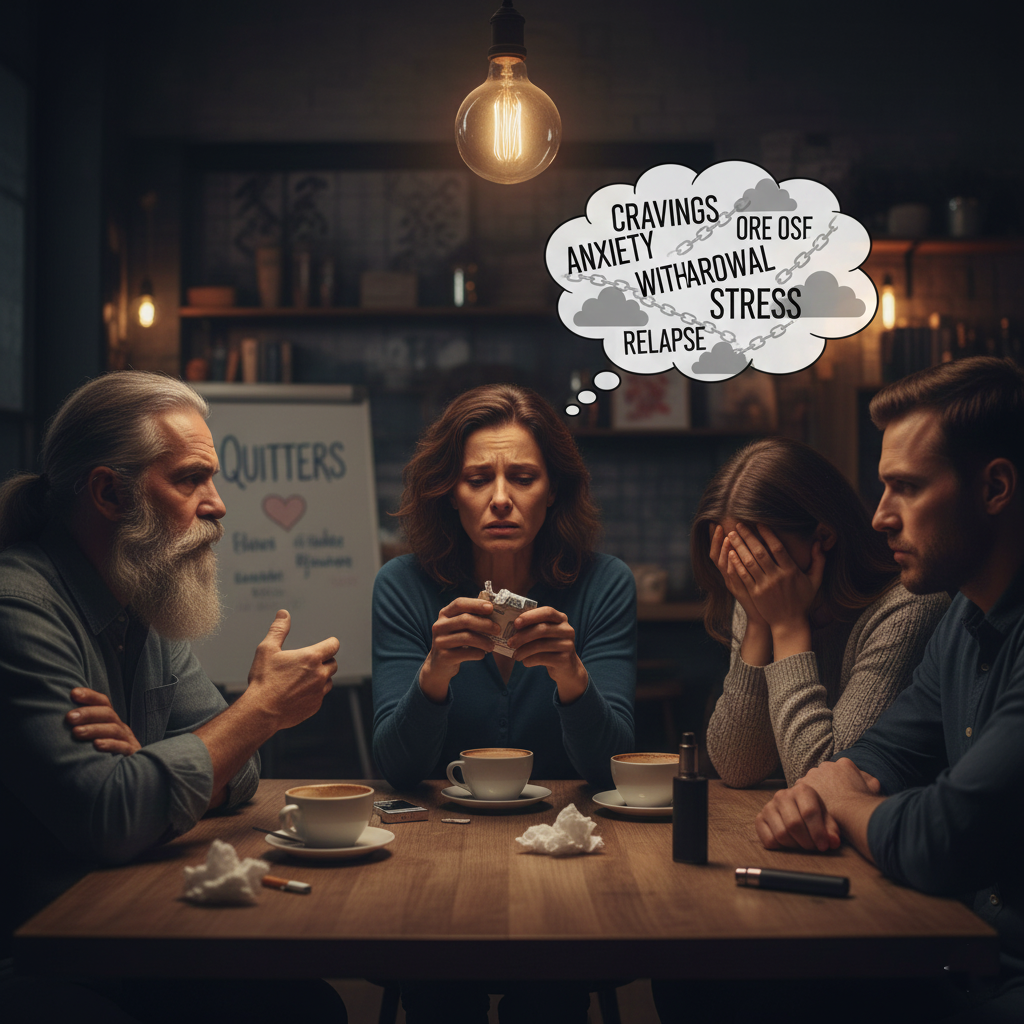
Former smokers say quitting is not a single decision or a matter of willpower alone. It is a long, exhausting process that involves physical dependence, emotional triggers, social pressure, and repeated relapses.
Nicotine Is Not Just a Habit
One of the biggest misconceptions about smoking is that it is merely a bad habit. In reality, nicotine is a highly addictive substance that alters brain chemistry.
Ex-smokers explain that nicotine rewires reward pathways in the brain, creating intense cravings that can feel overwhelming. When someone quits, the brain suddenly loses a substance it has come to rely on for stress relief, focus, and emotional regulation.
This is why quitting often brings:
Irritability and anger
Anxiety and restlessness
Headaches and insomnia
Intense cravings that strike without warning
Many former smokers say they underestimated how powerful these symptoms would be.
The Emotional Crutch Few Talk About
Beyond physical addiction, smoking often becomes an emotional anchor. Cigarettes are tied to routines — morning tea, work breaks, socialising, stress after a bad day, or moments of loneliness.
Several ex-smokers describe cigarettes as their “pause button” — a moment to breathe, step away, or feel comforted. When they quit, they don’t just lose nicotine; they lose a coping mechanism.
Replacing that emotional support is one of the hardest parts of quitting.
Stress Makes Quitting Harder
Life doesn’t stop when someone decides to quit smoking. Work pressure, family problems, financial stress, and mental health struggles continue — often intensifying cravings.
Former smokers say stress is the most common reason for relapse. Many recall quitting successfully for weeks or months, only to start again during a particularly difficult phase.
The idea that someone can simply quit permanently without addressing stress and mental health, they argue, is unrealistic.
Social Triggers Are Everywhere
Another overlooked challenge is social environment. Friends who smoke, office breaks, parties, and even movies can trigger cravings.
Ex-smokers recall moments when they felt confident about quitting, only to feel sudden temptation when surrounded by others smoking. Some said they felt isolated after quitting because smoking had been a bonding activity.
The pressure to “just have one” is a common trigger that often leads back to full relapse.
Relapse Is Part of the Process
Many ex-smokers say they failed multiple times before quitting for good. Relapse often brings guilt and shame, especially when others respond with disappointment or judgement.
Experts and former smokers agree: relapse does not mean failure. It is often part of the journey toward quitting permanently.
Each attempt teaches something new — identifying triggers, building coping strategies, and understanding personal weaknesses.
Why Judgment Makes It Worse
Statements like “just quit” or “if you really wanted to, you would” can actually make quitting harder. Ex-smokers say such comments increase shame, which can push people back toward smoking as a comfort.
Supportive approaches — listening, encouraging, and acknowledging the difficulty — are far more effective than lectures or ultimatums.
What Actually Helps People Quit
According to ex-smokers, successful quitting often involves:
Gradual reduction instead of sudden stopping
Nicotine replacement or medical support
Therapy or counselling to manage triggers
Supportive family and friends
Replacing smoking with healthier stress outlets like walking, breathing exercises, or hobbies
Most importantly, quitting works better when people feel understood rather than judged.
A Personal Victory, Not a Simple Choice
Former smokers emphasize that quitting smoking is one of the hardest things they have ever done. It is not a single moment of strength, but thousands of small battles fought daily.
For many, the journey takes years — not because they are weak, but because addiction is powerful.
Conclusion
The phrase “just quit smoking” oversimplifies a complex struggle involving addiction, emotion, habit, and mental health. Ex-smokers say real progress begins when society replaces judgment with empathy and support.
Quitting smoking is possible — but it is rarely easy. And understanding that may be the most important step in helping someone succeed.