
































NDTV Ground Report: Day 1 of ‘No Fuel Without Pollution Certificate’ Rule in Delhi
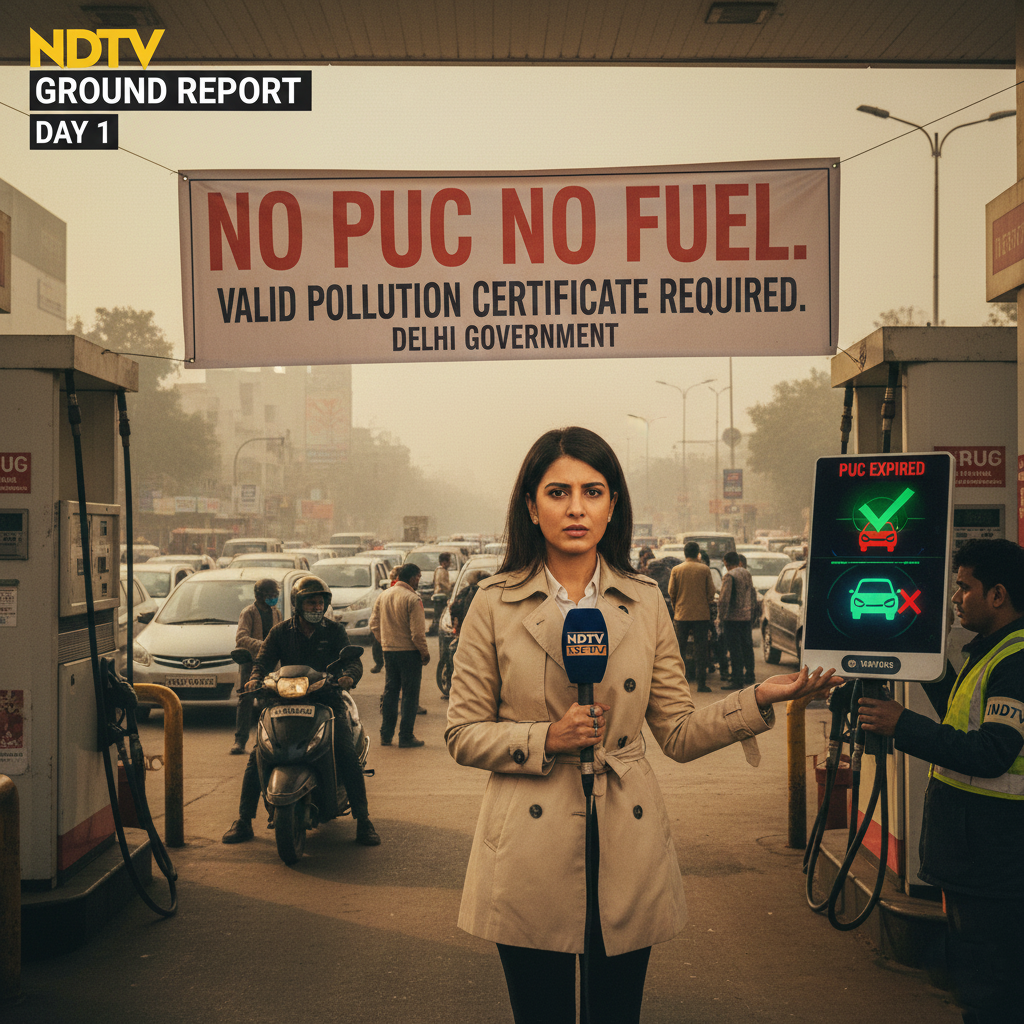
Delhi witnessed a mixed response on the first day of the enforcement of the “No Fuel Without Pollution Under Control (PUC) Certificate” rule, as petrol pumps across the capital implemented stricter checks to curb vehicular pollution. The new measure, aimed at improving air quality, led to confusion, long queues, and heated exchanges at several fuel stations, while also signaling a tougher stance by authorities against non-compliant vehicles.
The rule mandates that vehicles without a valid PUC certificate will not be allowed to refuel, marking a significant shift in how pollution norms are enforced on the ground.
Morning Rush Meets Sudden Realisation
At multiple petrol pumps across Delhi, motorists arrived as usual, only to be stopped by attendants asking for a valid PUC certificate before dispensing fuel. Many drivers appeared unaware of the immediate enforcement, resulting in arguments and delays during peak morning hours.
Two-wheeler riders, cab drivers, and daily commuters were among the most affected, with several admitting they had either forgotten to renew their certificates or were unaware that it had expired.
Long Queues and Frustration
The new checks led to longer queues at fuel stations, as attendants manually verified documents. In some cases, vehicles were turned away, forcing drivers to search for nearby PUC testing centers before returning.
Cab drivers expressed concern over loss of work hours, while delivery personnel said the rule disrupted tight schedules. Some motorists accused authorities of poor communication, saying they were not adequately informed in advance.
Petrol Pump Staff Under Pressure
Fuel station employees found themselves on the front line of enforcement, dealing with angry customers and confusion. Several attendants said they had received instructions to strictly deny fuel to vehicles without valid certificates, regardless of the situation.
“We are just following orders,” one pump worker said, adding that verbal abuse and arguments were common throughout the day.
PUC Centers See Sudden Rush
As fuel was denied at pumps, nearby PUC centers witnessed a sudden surge in demand. Long queues formed as vehicle owners rushed to get emission tests done, especially during afternoon hours.
Some centers struggled to manage the crowd, while others reported temporary shortages of forms or delays due to technical issues.
Mixed Public Opinion
Public reaction to the rule remained divided. Environmental activists and some residents welcomed the move, calling it a necessary step to combat Delhi’s severe air pollution.
However, others questioned its effectiveness, arguing that enforcement should begin with stricter action against commercial polluters, older vehicles, and industrial emissions rather than daily commuters.
Authorities Defend the Move
Officials maintained that the rule is essential to ensure accountability and discourage negligent vehicle maintenance. They emphasized that the measure is part of a broader plan to improve air quality, particularly ahead of the winter season when pollution levels spike.
Authorities also stated that initial inconvenience was expected and urged citizens to cooperate for long-term benefits.
Concerns Over Implementation
Experts pointed out that while the rule is well-intentioned, successful implementation would require sufficient PUC infrastructure, better public awareness, and uniform enforcement across the city.
They warned that selective or inconsistent checks could undermine the policy’s credibility and lead to public resentment.
What Lies Ahead
Officials indicated that enforcement would continue in the coming days, with potential refinements based on feedback. Increased public messaging and coordination with fuel stations and PUC centers are expected to ease the transition.
Commuters were advised to check the validity of their pollution certificates to avoid inconvenience.
Conclusion
Day 1 of Delhi’s “No Fuel Without PUC” rule exposed the challenges of translating policy into practice. While the initiative underscores the urgency of tackling pollution, its success will depend on smooth execution, public cooperation, and systemic support.
As Delhi continues its fight against hazardous air quality, the first day’s disruptions serve as a reminder that meaningful environmental reform requires both firm enforcement and careful planning.