



























BCCI Set to Take Big Step Amid Backlash Over Fog Disrupting 4th India–South Africa T20I
The Board of Control for Cricket in India (BCCI) is set to take a significant decision following widespread backlash over fog severely affecting the fourth T20 International between India and South Africa. The match, held under challenging weather conditions, triggered criticism from players, fans, and experts, reigniting concerns over scheduling, venue selection, and player safety during the winter cricket season in India.
The controversy has placed renewed pressure on the Indian cricket board to reassess its protocols and planning for international fixtures.
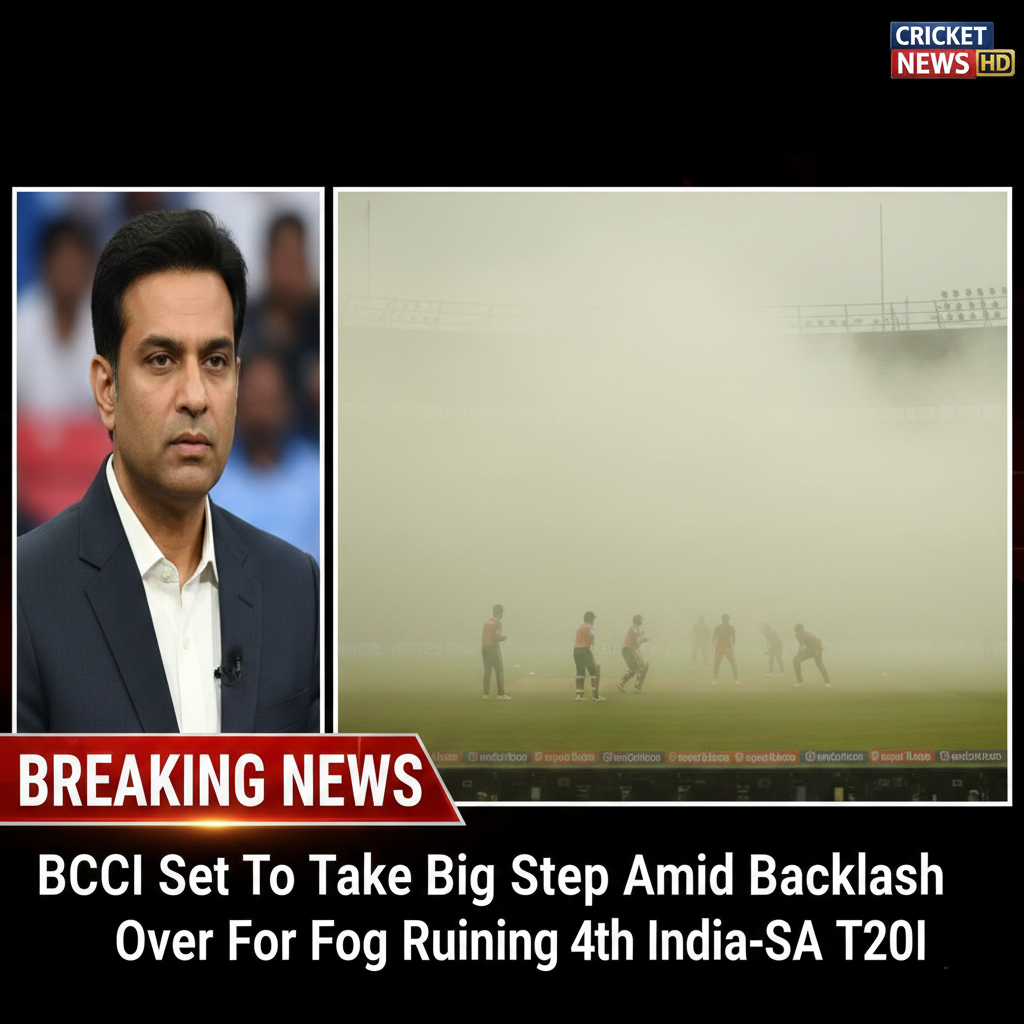
Fog Overshadows High-Profile Contest
The fourth T20I was marred by dense fog that reduced visibility dramatically, impacting both gameplay and broadcast quality. Players struggled to track the ball, fielders found it difficult to judge catches, and umpires faced repeated interruptions as conditions deteriorated.
Despite attempts to continue, the match proceedings were repeatedly delayed, frustrating players and spectators alike. Many viewers described the contest as “unwatchable,” while former cricketers openly questioned the decision to proceed under such conditions.
Safety Concerns Take Centre Stage
Beyond the entertainment factor, player safety emerged as the primary concern. With visibility severely compromised, the risk of injuries increased significantly, especially for fast bowlers, batters facing high-speed deliveries, and fielders positioned close to the bat.
Several cricketing voices argued that continuing play in dense fog set a dangerous precedent. Comparisons were drawn with international standards, where matches are routinely suspended or abandoned due to poor visibility.
Growing Backlash From Fans and Experts
Social media platforms were flooded with criticism directed at the BCCI. Fans questioned why winter matches were scheduled at venues historically prone to fog, particularly in North India. Experts also pointed out that weather forecasts had predicted foggy conditions, raising concerns about planning lapses.
Former players called for stricter guidelines, insisting that entertainment should never override player welfare. The backlash has been intense enough to prompt internal discussions within the board.
BCCI’s Proposed Big Step
In response to the criticism, the BCCI is understood to be considering a major policy change regarding match scheduling during winter months. One of the key options on the table is avoiding day-night matches at fog-prone venues during December and January.
There is also talk of shifting more winter fixtures to southern and western parts of India, where fog is less likely to disrupt play. Additionally, the board may introduce stricter visibility benchmarks, similar to protocols used for bad light and rain.
Possible Use of Technology and Revised Protocols
The BCCI is reportedly exploring the use of enhanced visibility assessment tools, including real-time weather monitoring and objective visibility thresholds. These measures would empower match officials to suspend play earlier rather than relying solely on visual judgment.
Another proposal includes allowing match referees greater authority to delay tosses or reschedule start times based on anticipated fog conditions.
Broadcasters and Commercial Impact
The fog-hit match also raised concerns among broadcasters and sponsors, as frequent stoppages and unclear visuals reduced viewer engagement. Broadcasters reportedly conveyed their dissatisfaction, adding to the pressure on the board to ensure better match conditions.
From a commercial standpoint, uninterrupted, high-quality broadcasts are critical, making weather disruptions a serious issue for stakeholders.
Learning From Global Standards
Cricket boards around the world have faced similar challenges with weather disruptions. Experts suggest that India could adopt best practices from countries that enforce strict visibility rules and prioritize safety over spectacle.
The incident has sparked broader discussions about aligning Indian cricket’s operational standards with global benchmarks.
What This Means Going Forward
If implemented, the proposed changes could significantly alter how India schedules international matches during winter. Fans may see fewer high-profile games in fog-prone regions during peak winter months, while players can expect clearer safety guidelines.
The decision is expected to influence not just international matches but also domestic tournaments held during similar conditions.
Conclusion
The fog-disrupted fourth T20I between India and South Africa has become a turning point, forcing the BCCI to confront long-standing issues around winter scheduling and visibility-related safety concerns. With backlash mounting from all sides, the board appears ready to take a decisive step to prevent a repeat of such incidents.
As Indian cricket continues to grow as a global powerhouse, the episode serves as a reminder that player safety, fairness, and viewing experience must remain non-negotiable priorities.