















Amid Pakistan’s Ban on Dhurandhar, Bilawal Bhutto’s Grand Entry on ‘FA9LA’ Song Sparks Buzz
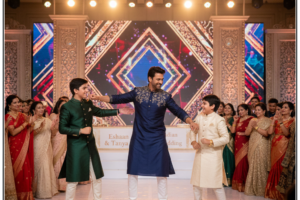
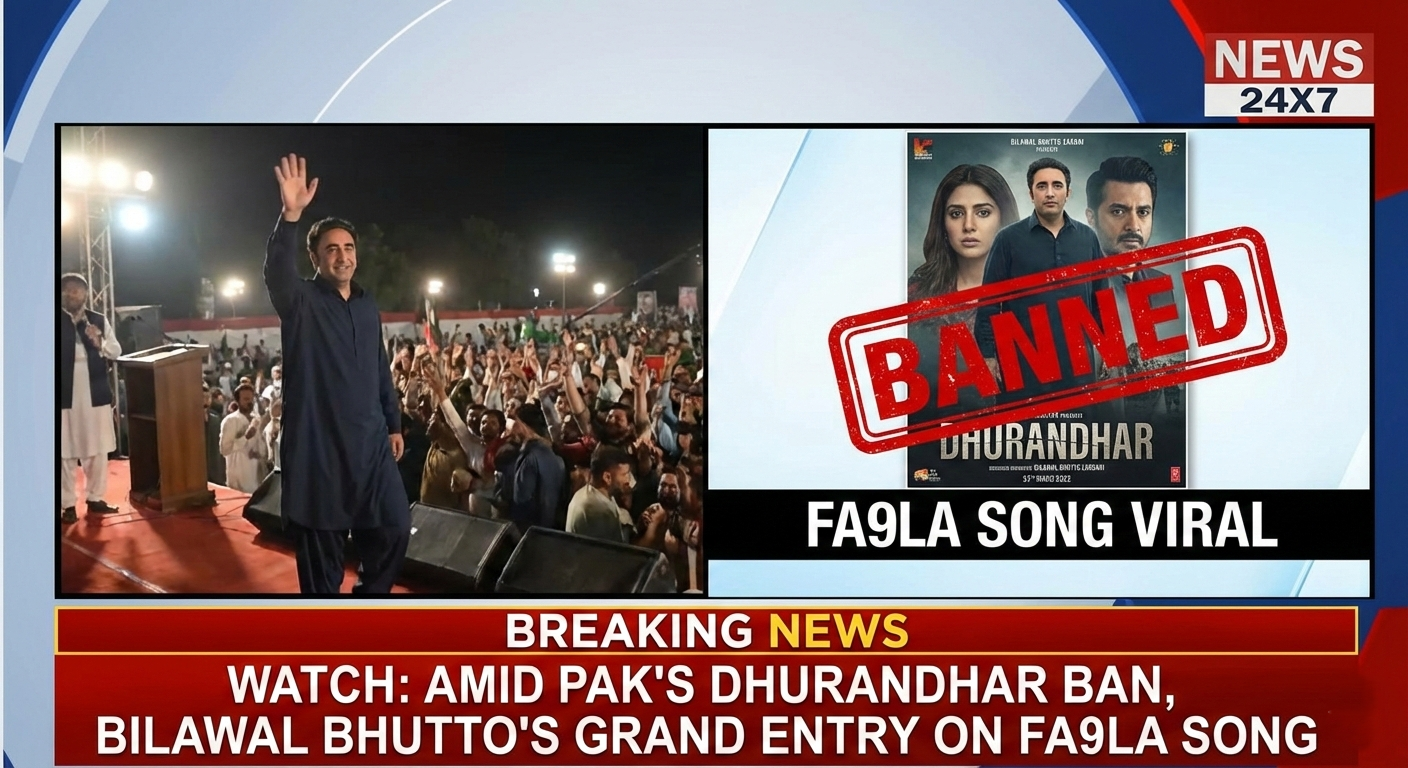
Even as Pakistan imposed a ban on the Indian film Dhurandhar, an unexpected cultural moment has gone viral, drawing attention across borders. Pakistan Peoples Party chairman and former foreign minister Bilawal Bhutto Zardari was seen making a dramatic public entry to the popular song FA9LA, triggering widespread discussion on social media and in political circles.
The timing of the video, emerging amid heightened scrutiny of cross-border cultural content, added to the intrigue and amplified public reaction.
The Viral Moment
In the now-viral video, Bilawal Bhutto is seen entering a public event with confidence and flair as the song FA9LA plays in the background. Supporters cheer loudly as he walks in, projecting a carefully curated image of youthful energy and mass appeal.
The clip quickly spread across social media platforms, with many users noting the contrast between Pakistan’s decision to ban Dhurandhar and the apparent embrace of popular South Asian cultural elements in political events.
Backdrop of the Dhurandhar Ban
Pakistan’s decision to ban Dhurandhar reportedly stemmed from concerns over the film’s political themes and portrayal of sensitive regional issues. Authorities cited regulatory and ideological reasons for blocking the movie’s release, reigniting debates about censorship and artistic freedom in the region.
The ban drew criticism from sections of the public who argued that cultural exchange should remain separate from political disagreements, while others supported the move as a matter of national interest.
Contrasting Signals
Bilawal Bhutto’s entry to FA9LA stood out against this backdrop. Observers noted that while films and artistic content face restrictions, popular music and pop culture continue to influence political messaging and public engagement.
Analysts described the moment as a calculated attempt to connect with younger audiences by tapping into viral culture and music trends that resonate beyond national boundaries.
Political Messaging Through Pop Culture
In recent years, political leaders across South Asia have increasingly adopted pop culture elements to craft relatable public images. Music, visuals, and viral moments are now integral to political branding, especially among younger voters.
Bilawal Bhutto’s entry was seen as part of this evolving strategy, blending politics with performance to project confidence, modernity, and mass appeal.
Social Media Reactions
The video sparked mixed reactions online. Supporters praised the leader’s charismatic presence and said the moment reflected a fresh, energetic approach to politics. Critics, however, questioned the optics of embracing pop culture while supporting restrictions on artistic expression.
Several users pointed out the irony of banning a film while allowing music-driven spectacle at political events, fuelling discussions about selective censorship.
Culture and Politics Intersect
The episode once again highlighted the complex relationship between culture and politics in the subcontinent. While governments may attempt to regulate films and narratives, cultural expression often finds alternative platforms, shaping public perception in unpredictable ways.
Experts noted that such viral moments demonstrate how culture continues to cross borders digitally, regardless of official restrictions.
Bilawal Bhutto’s Public Image
Bilawal Bhutto has consistently positioned himself as a modern, globally aware political leader. His use of contemporary music and youth-oriented imagery aligns with his broader effort to appeal to a new generation of voters while maintaining the legacy of the Bhutto political lineage.
The viral entry further reinforced this image, ensuring widespread attention beyond traditional political coverage.
Conclusion
Bilawal Bhutto’s grand entry to the song FA9LA, emerging amid Pakistan’s ban on Dhurandhar, has become a striking moment at the intersection of politics, pop culture, and public debate. Whether viewed as strategic branding or ironic symbolism, the episode underscores how cultural expressions continue to influence political narratives, even in times of restriction and controversy.
As reactions continue to pour in, the moment serves as a reminder that in today’s digital age, culture often speaks louder and travels farther than policy decisions.