






























Why BCCI Is Likely To Deduct Rs 2 Crore Each From Virat Kohli and Rohit Sharma’s Salaries (2025)
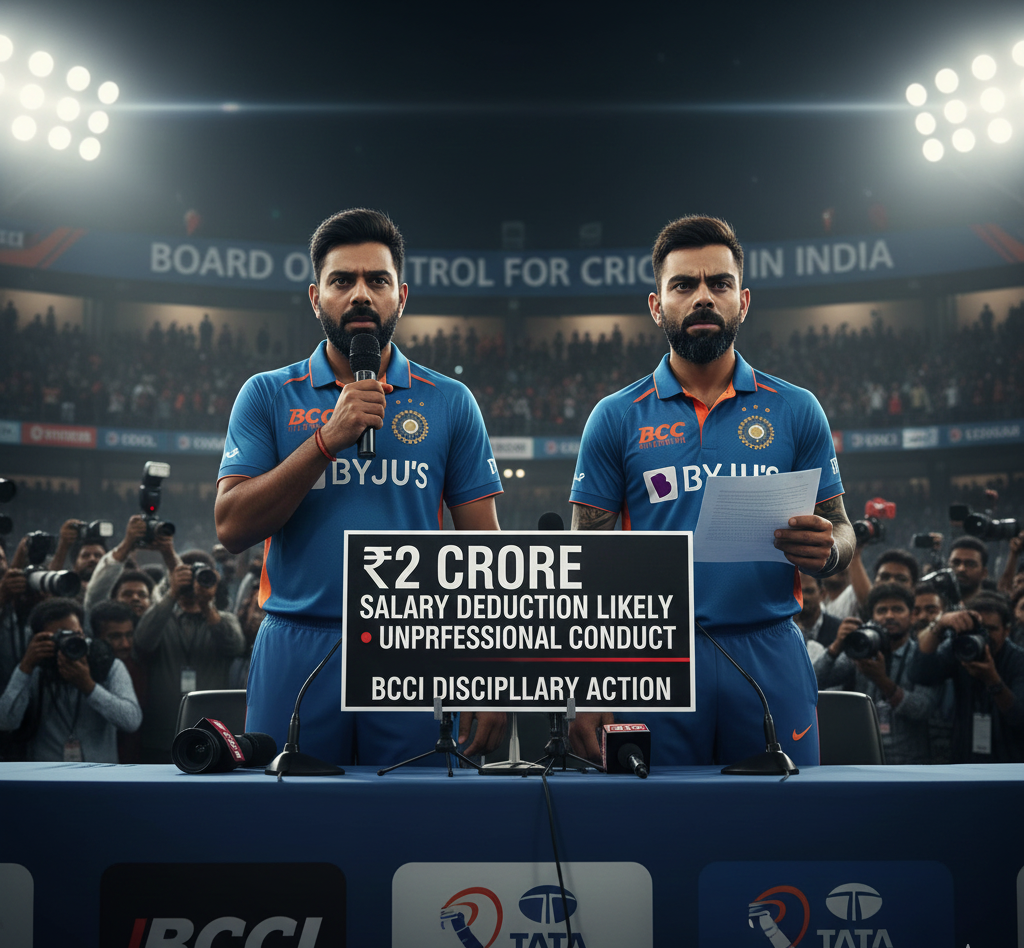
In 2025, a major development in Indian cricket has stirred debate among fans and experts. The Board of Control for Cricket in India (BCCI) is reportedly considering a salary deduction of around Rs 2 crore each from senior players Virat Kohli and Rohit Sharma. The move comes amid concerns about player availability, long-term planning, and the value derived from the central contracts system.
Here’s a detailed look at why this decision is on the table.
1. Central Contract Terms and Match Participation
BCCI’s central contracts come with mandatory participation criteria, especially for top-tier (A+ and A) players. These include:
Playing a minimum set of Ranji Trophy or domestic games
Availability for India’s full international cricket calendar
Participating in key fitness and training camps
In recent seasons, both Kohli and Rohit have missed multiple domestic matches, mostly due to workload management, injuries, or selective participation. While some absences were unavoidable, BCCI has become stricter in 2025 about enforcing contract rules, especially after concerns that younger players were carrying the domestic load.
2. New BCCI Policy: “No Play, No Pay”
In 2025, BCCI is pushing a clearer policy:
Top players must contribute to domestic cricket to retain full payment.
The logic is simple:
Domestic tournaments like the Ranji Trophy feed India’s talent pipeline.
Senior players’ presence boosts competitiveness and visibility.
Younger cricketers look up to star players for leadership and inspiration.
Because Kohli and Rohit missed several domestic fixtures this season, the board is applying the updated rule, resulting in a possible Rs 2 crore deduction from their annual retainers.
3. Focus on Reforming Indian Cricket Structure
After multiple reviews, BCCI has made it clear that domestic cricket cannot be ignored. There were concerns that:
Many senior players skipped domestic matches after returning from IPL or international tours.
Fitness standards and match readiness were inconsistent across tournaments.
Emerging players were overburdened while senior players were sheltered.
By enforcing penalties, BCCI wants to send a strong message that commitment to Indian cricket goes beyond the national team.
4. Workload Management Debate
The decision has also revived discussions on how senior players manage their schedules. Kohli and Rohit are in the latter stages of their careers, and workload management is crucial to their performance. However, BCCI believes that:
Selective participation hurts domestic cricket structure.
Senior players still need to meet minimum match requirements.
Exemptions cannot be given repeatedly, even for iconic players.
The board insists that this move isn’t disciplinary but administrative—ensuring fairness across all contracted players.
5. Internal Pressure to Set an Example
Top BCCI officials and selectors reportedly felt that rules must apply equally to all players, regardless of stature. If younger players are penalized for non-compliance, the same must apply to superstars.
As a result:
The deduction acts as a corrective measure, not punishment.
It signals a stronger commitment to domestic cricket in 2025.
6. How the Players May Respond
Neither Kohli nor Rohit has publicly commented yet, but sources suggest:
Both understand the policy shift
They may participate more in domestic matches next season
The board may review the penalties if circumstances were unavoidable
Given their contributions to Indian cricket, both players are expected to take the decision professionally.
Conclusion
The potential Rs 2 crore salary deduction for Virat Kohli and Rohit Sharma highlights a significant shift in BCCI’s approach in 2025. The board is focusing on:
Strengthening domestic cricket
Increasing accountability among senior players
Ensuring the central contract system is fair and performance-based
While the move may surprise fans, it reflects BCCI’s long-term goal: a stronger, more disciplined player ecosystem where every match and every commitment matters.