













H-1B Visa Appointments Postponed for Many Indians Amid New US Social Media Rules – 2025 Update
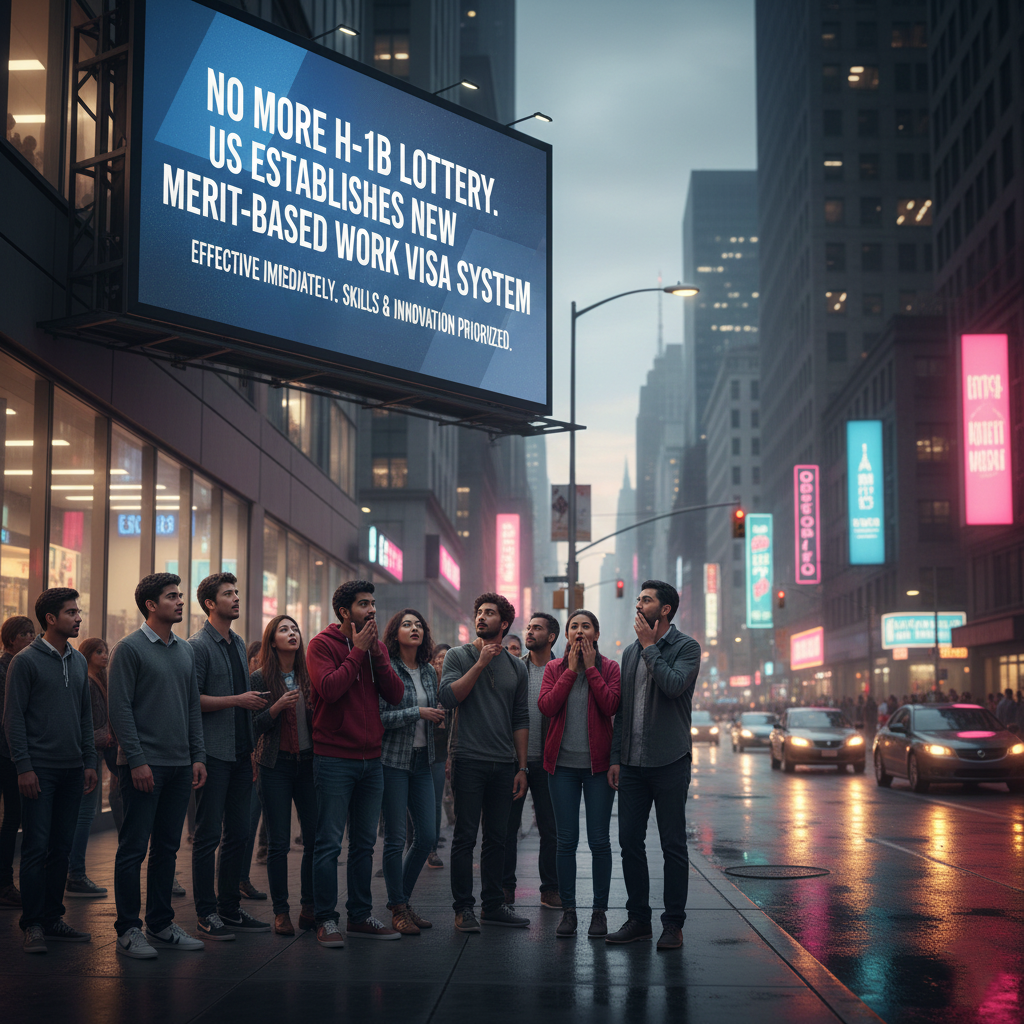
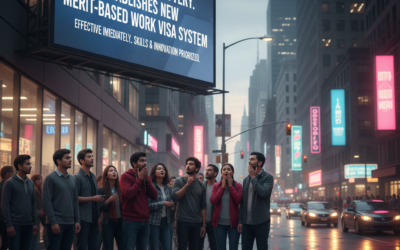
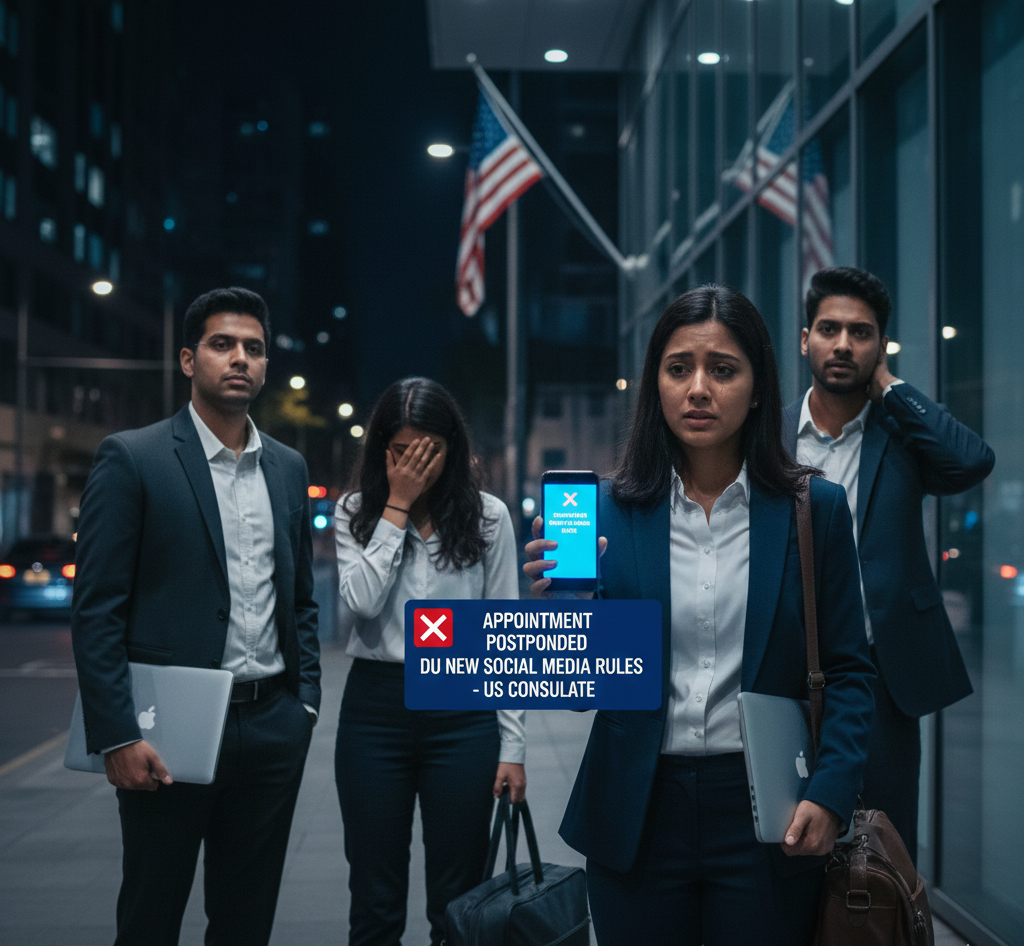
A major disruption has hit Indian professionals seeking H-1B and H-4 visas, as the United States has postponed hundreds of visa appointments following the introduction of new social-media vetting rules. The sudden change, implemented in mid-December 2025, has led to widespread cancellations, confusion, and delays that stretch into early 2026.
Why the Appointments Were Postponed
The U.S. Department of State recently expanded its digital-security screening system to include mandatory social-media reviews for all H-1B and H-4 applicants. This means visa officers must now:
Examine public social-media profiles
Review applicants’ digital behavior
Verify identity and background through online presence
The additional workload has significantly reduced the number of interviews consulates can handle each day. As a result, scheduled appointments across India — particularly in Chennai, Hyderabad, Delhi, and Mumbai — were abruptly postponed.
Who Is Affected?
1. H-1B Applicants
Many Indian tech workers who had interviews lined up in December 2025 received notifications that their appointments had been shifted by months. Some new dates are being pushed into March or April 2026.
2. H-4 Dependent Visa Holders
Spouses and children applying for H-4 visas are equally affected, even if they had completed their biometrics or were ready to travel.
3. Employees Planning Immediate Travel
Professionals due to join U.S. projects in early 2026 now face uncertainty, forcing companies to adjust deployment timelines.
Why the New Rule Matters
The United States has been tightening its visa security processes over the past few years, and expanding social-media checks is seen as the latest step in enhancing digital transparency. Officials claim the process will strengthen national security, but the sudden implementation has caused logistical challenges:
Longer processing times
Reduced appointment availability
Increased administrative burden on consulates
For applicants, it means preparing their social-media profiles to be fully public and free of inconsistencies.
Reactions From Visa Seekers
Many Indian applicants expressed frustration and confusion over the abrupt cancellations. Some described the experience as stressful, especially those who booked appointments months in advance or are on tight career timelines. A few have criticized the policy as intrusive, arguing that forcing applicants to open their social-media profiles compromises personal privacy.
Others worry about the lack of clear guidance on what qualifies as “acceptable” online behavior during screening.
How the Cops Responded
The U.S. Embassy and consulates in India have informed applicants that only rescheduled dates will be honored. Those who try to arrive on their originally scheduled date will not be allowed to enter the consulate premises.
This strict enforcement suggests that the postponements are not temporary glitches but part of a long-term procedural overhaul.
What Applicants Should Do Now
1. Monitor Email Closely
Reschedule notifications are sent to the email IDs used during the visa appointment booking process.
2. Prepare Social-Media Profiles
Make required accounts public and ensure your identity is clearly established.
3. Inform Employers or Universities
If your travel is tied to a job or academic program, prepare for potential delays.
4. Avoid Traveling to the Embassy on Old Dates
Only the new date assigned will be valid for entry and processing.
What This Means for 2026
The delays signal that the U.S. immigration system is entering a more intensive digital-vetting era. With the new rules in place and consulates adjusting to the expanded workload, applicants may continue to face irregular appointment availability in early 2026.
While the intention behind the policy is security-driven, its sudden rollout has created ripple effects across India’s tech workforce, U.S. employers, and families planning cross-border relocation.