





























From Prada To Dior: The Year High Fashion ‘Stole’ Indian Art
In recent years, global fashion houses have increasingly drawn inspiration from India. But in the past year, this influence surged to an entirely new level — sparking debates on cultural appreciation, cultural borrowing, and outright cultural appropriation. From luxury runways to global campaigns, some of the world’s biggest fashion brands showcased designs that looked unmistakably Indian, yet often without giving India its due credit.

2024–2025 may well be remembered as the year high fashion “stole” Indian art.
Indian Motifs Become Global Fashion’s Obsession
Fashion giants like Prada, Dior, Louis Vuitton, and several others showcased collections featuring:
Intricate block prints
Paisley motifs
Phulkari-inspired embroidery
Mughal-era patterns
Banarasi-style brocades
Mirror-work resembling Kutch & Rajasthan crafts
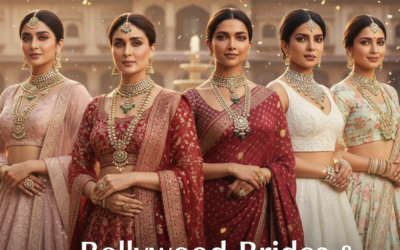
These elements, rooted deeply in Indian culture, craft clusters, and centuries-old textile traditions, suddenly became central to luxury runways across Paris, Milan, and New York.
But the credit often went to “exotic inspirations” or “artisanal techniques,” without naming the Indian communities behind them.
When Inspiration Turns Into Appropriation
While fashion thrives on cultural exchange, the problem arises when:
A motif is copied directly
The craft is passed off as “new”
The artisans behind it are not acknowledged
No collaborations or fair compensation is provided
India is reduced to a vague “inspiration moodboard”
This year, social media exploded with posts calling out luxury brands for replicating patterns seen for centuries in:
Rajasthan’s textile markets
Kanchipuram silk weaving clusters
Gujarat’s Kutch embroidery traditions
Mughal-inspired miniature art
Punjab’s vibrant phulkari
Many argued that while Indian artisans struggle with low wages and declining demand, luxury brands profit massively using similar aesthetics.
Dior’s India Connection Sparked Debate
Dior, which has previously held a landmark show in Mumbai, included several pieces in its latest collections that echoed Indian craftsmanship. While the brand has collaborated with Indian ateliers, critics say the influence runs far deeper than what is credited.
Several silhouettes, fabrics, and embroideries strongly reflected Indian design heritage — but most campaign materials highlighted “global artisanal traditions,” avoiding direct references to India.
Prada’s Controversial Textile Choices
Prada was also accused of mirroring designs reminiscent of:
Ajrakh block prints
Mughal-inspired motifs
Indian tie-dye traditions like bandhani
Screenshots comparing runway outfits with traditional Indian garments went viral, intensifying scrutiny over how much of Indian art high fashion uses without naming it.
Why Indian Crafts Attract Luxury Brands
Luxury houses are increasingly turning to Indian art because:
Handcrafted textiles offer unmatched detail
India’s artistic heritage is centuries deep
Patterns are timeless and globally appealing
“Ethnic chic” has gone mainstream
Consumers crave authenticity and craft-driven fashion
Ironically, these are exactly the strengths Indian artisans have cultivated for generations — yet recognition rarely reaches them.
The Real Issue: Credit, Compensation, and Cultural Respect
The uproar isn’t about inspiration itself. It’s about:
Lack of acknowledgement
Absence of collaboration with Indian artisans
Western brands profiting while Indian craftspeople struggle
Repackaging Indian motifs as “luxury innovation”
Many designers, historians, and weavers believe that Indian crafts need representation, not just replication.
India’s Global Influence Is Only Growing
Despite the controversies, one thing is clear:
Indian art and textiles have become global fashion’s hottest trend.
Celebrities, influencers, and stylists across the world are embracing:
Handloom-inspired patterns
Indian-style beaded bags
Mirror-work jackets
Embroidered dupatta-like wraps
Paisley-heavy luxury outfits
India is no longer just an “exotic inspiration” — it is shaping mainstream fashion.
Conclusion: Borrowing Isn’t the Problem — Erasure Is
The debate around Prada, Dior, and other luxury houses shows how powerful Indian art has become in global fashion. The issue lies not in influence but in erasure.
If global brands collaborate, credit artisans, and invest in India’s craft clusters, the conversation shifts from “stealing” to celebrating heritage.
Until then, the world will continue calling out high fashion for taking more than it acknowledges.