



































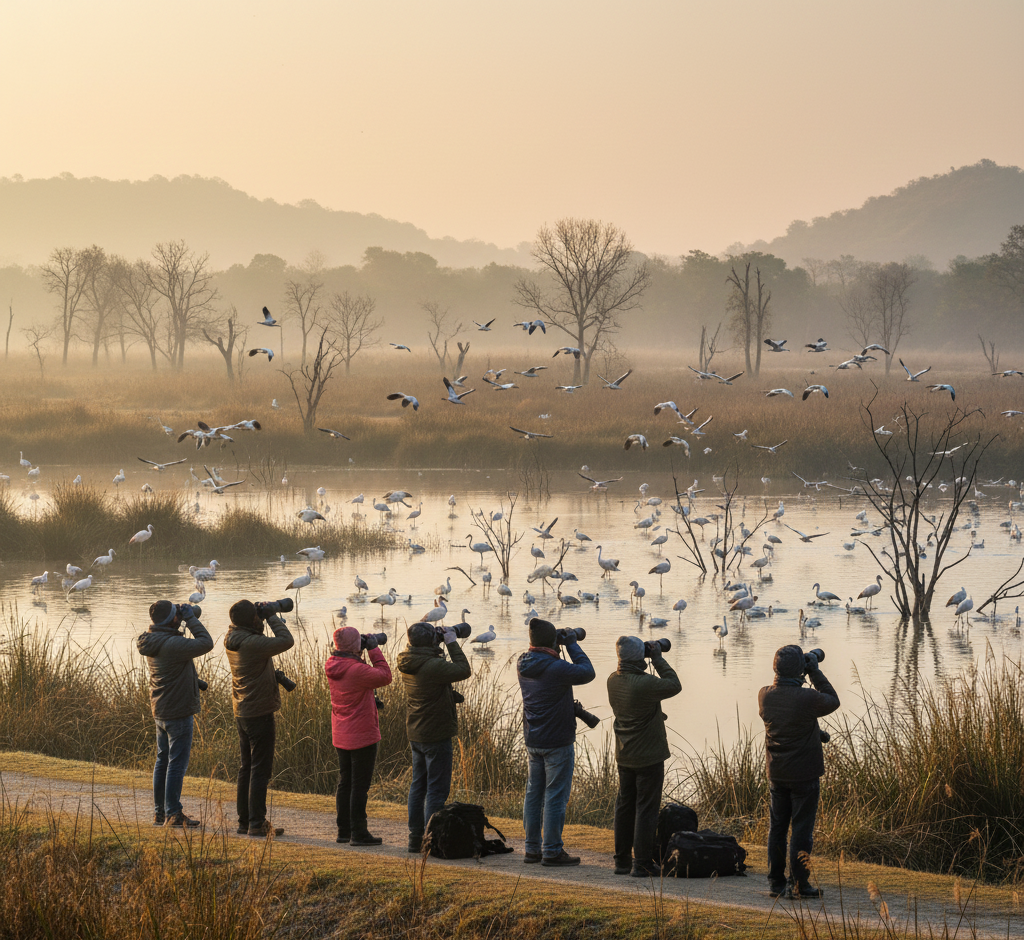
Winter Birdwatching in India: Top 6 National Parks for Rare Migrants in 2025
Winter in India is a magical season for birdwatching, as migratory species from across the globe descend upon the country’s wetlands, forests, and national parks. In 2025, enthusiasts and eco-tourists are increasingly flocking to hotspots where rare winter migrants can be spotted, making birdwatching both an exciting hobby and a conservation effort.
Here’s a guide to the top six national parks in India for winter birdwatching in 2025, offering sightings of everything from majestic raptors to delicate songbirds.
1. Keoladeo National Park, Rajasthan
Often called the “Bird Paradise of India”, Keoladeo National Park attracts over 370 species of birds, including rare winter migrants from Siberia and Central Asia.
Highlights for 2025:
Bar-headed geese, Siberian cranes, and common pochards
Wetland habitats perfect for photography
Guided birding tours with local experts
Keoladeo’s lakes and marshes offer one of the best winter birding experiences in India.
2. Bharatpur Bird Sanctuary, Rajasthan
Adjacent to Keoladeo, Bharatpur’s sanctuary is equally famous for its diverse winter visitors.
2025 Tips:
Look for Eurasian wigeons, pintails, and ruddy shelducks
Early morning or late afternoon visits offer better chances of spotting rare species
Ideal for amateur birdwatchers and professional ornithologists alike
Bharatpur remains a hotspot for enthusiasts seeking a blend of accessibility and biodiversity.
3. Sultanpur National Park, Haryana
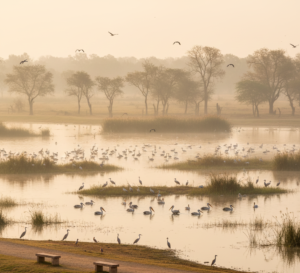
Located near Delhi, Sultanpur National Park is a compact yet rewarding destination for winter birdwatching.
Winter highlights in 2025:
Migratory birds like flamingos, northern pintails, and common cranes
Several hides and observation towers for safe viewing
Short trips from the capital, making it ideal for weekend birdwatching excursions
Sultanpur’s wetlands transform into a bustling avian city each winter, attracting both locals and tourists.
4. Chilika Lake and Nalabana Bird Sanctuary, Odisha
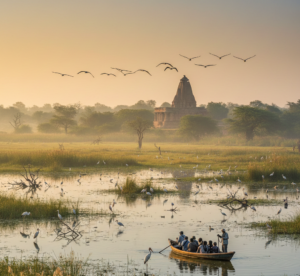
Chilika Lake, Asia’s largest brackish water lagoon, hosts millions of migratory birds every winter. Nalabana Island, within Chilika, is a protected bird sanctuary.
In 2025, expect:
Flamingos, spoonbills, and several species of pelicans
Spotting rare migratory ducks and waders
Combining birdwatching with a boat ride for immersive experiences
Chilika remains unmatched for both bird diversity and scenic beauty.
5. Dudhwa National Park, Uttar Pradesh
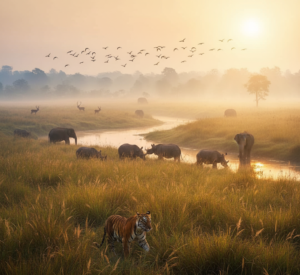
Dudhwa National Park, lying along the India-Nepal border, is a hidden gem for bird enthusiasts in 2025.
Winter migrants include:
Lesser whistling ducks, woodpeckers, and kingfishers
Raptors like the harrier and eagle species
Mixed habitats of wetlands, grasslands, and dense forests
Dudhwa is perfect for those who enjoy birdwatching in less crowded, serene environments.
6. Pong Dam Lake Wildlife Sanctuary, Himachal Pradesh
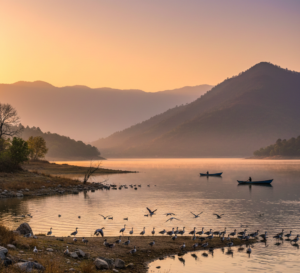
Located in the Kangra Valley, Pong Dam Lake is famous for its waterfowl and wintering birds.
2025 birdwatching opportunities:
Bar-headed geese, brahminy ducks, and northern pintails
Migrants from Central Asia and Siberia
Ideal for combining nature photography with birding
Pong Dam’s open landscapes and large waterbody attract thousands of migratory birds every winter.
Tips for Winter Birdwatching in India in 2025
Visit early morning: Birds are most active during sunrise.
Use binoculars and cameras with zoom lenses for detailed observation.
Hire local guides: Knowledgeable guides improve sightings and help identify rare species.
Respect wildlife rules: Avoid disturbing nests, feeding birds, or leaving litter.
Check migratory patterns: Certain species peak in December-January while others arrive later.
Conclusion
Winter 2025 is shaping up to be an exciting season for birdwatchers in India, as migratory species arrive in full force. From the wetlands of Rajasthan to the lakes of Himachal Pradesh and Odisha, India offers unparalleled opportunities to witness rare migrants in their natural habitats.
For enthusiasts, this year is a chance not only to spot exotic species but also to contribute to conservation awareness while enjoying the serenity and beauty of India’s national parks.