

































Rupee Crosses 90-Mark Against US Dollar: Impact on Markets and Students Abroad
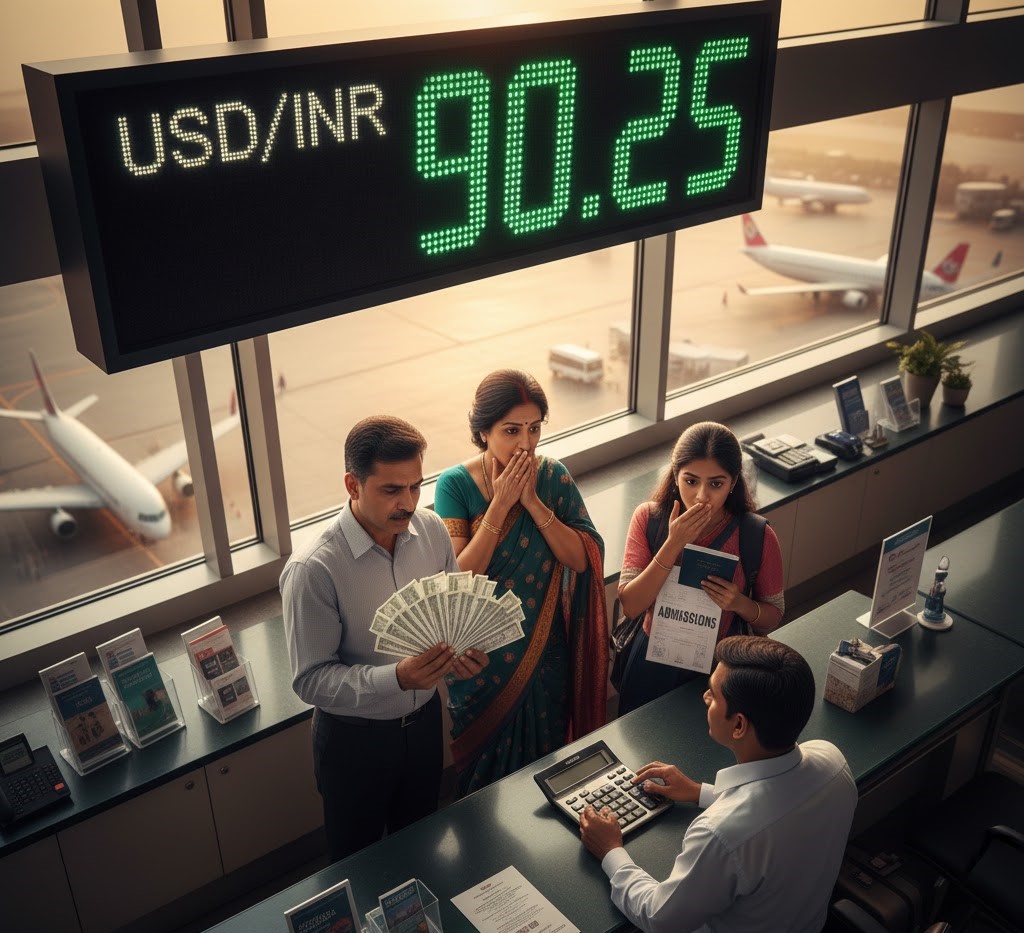
The recent news of the Indian Rupee breaching the 90-mark against the US Dollar is a significant development that sends ripples across various sectors of the Indian economy. While exchange rate fluctuations are a constant in global finance, a move of this magnitude draws serious attention, impacting everything from international trade and financial markets to the everyday lives of families and, most acutely, Indian students pursuing education overseas.
Understanding the Depreciation: What Does it Mean?
When the Rupee depreciates against the US Dollar, it means that it now takes more Rupees to buy one US Dollar. For example, if the Rupee moves from 83 to 90 against the Dollar, you need an additional 7 Rupees to acquire the same dollar amount. This shift isn’t just a number; it reflects a complex interplay of global and domestic economic factors.
Common drivers for currency depreciation include:
Global Economic Slowdown: A general risk-off sentiment in global markets often leads investors to pull funds from emerging economies like India and park them in safer assets, typically the US Dollar.
Rising Interest Rates in the US: When the US Federal Reserve increases interest rates, it makes dollar-denominated assets more attractive, drawing capital away from other currencies.
India’s Trade Deficit: A consistently large trade deficit (where imports exceed exports) creates higher demand for foreign currency (to pay for imports) than for the Rupee (from exports), putting downward pressure on the Rupee.
Geopolitical Tensions: Global uncertainties can also lead to capital outflows and currency weakness.
Impact on Financial Markets: A Mixed Bag
The depreciation of the Rupee has a multifaceted impact on Indian financial markets:
Equity Markets: The initial reaction in equity markets can be mixed. Export-oriented sectors like IT and pharmaceuticals might see a boost as their dollar earnings translate into more Rupees. However, companies heavily reliant on imports (e.g., oil, electronics manufacturing) will face higher input costs, potentially hurting their profitability and stock prices. Overall market sentiment might turn cautious due to economic uncertainty.
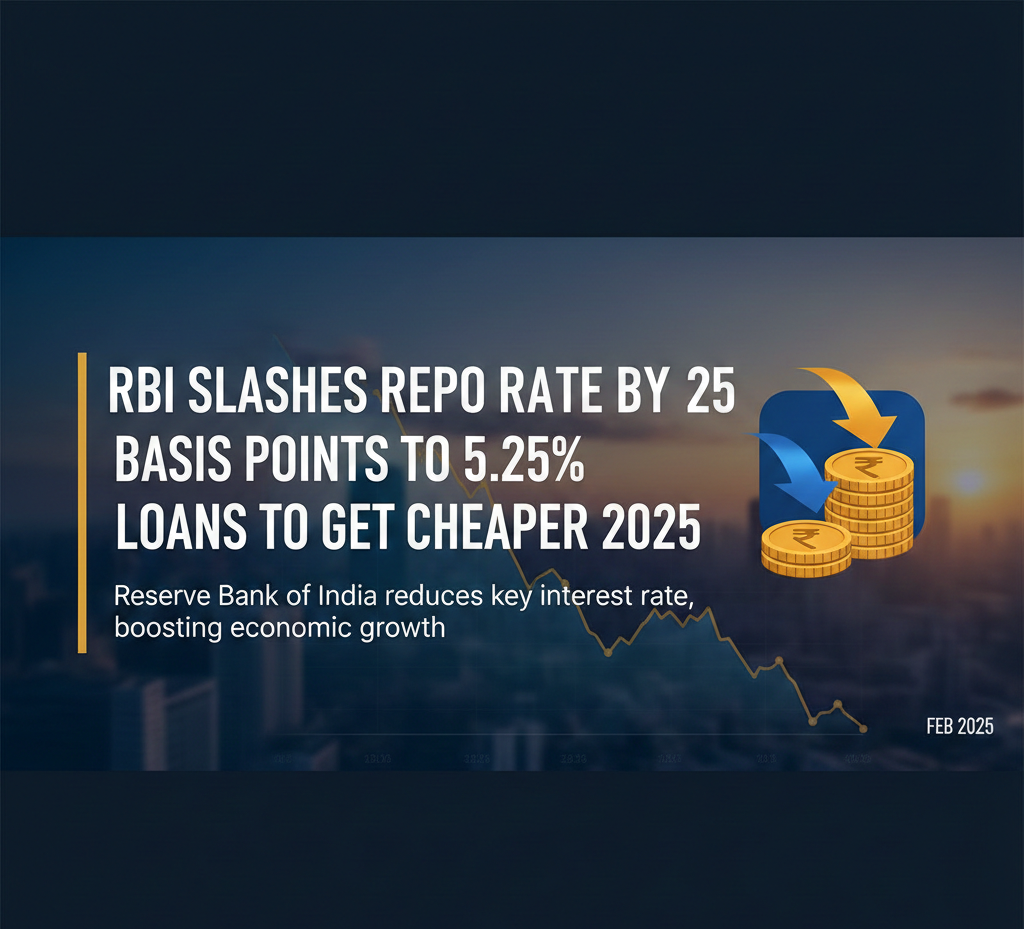
Bond Market: A weaker Rupee often puts pressure on the Reserve Bank of India (RBI) to intervene to stem the fall, sometimes by raising interest rates. Higher interest rates can make government bonds more attractive, but sustained depreciation can deter foreign portfolio investors.
Inflation: India is a major importer of crude oil. A weaker Rupee makes oil and other imported commodities more expensive, feeding into domestic inflation and potentially eroding purchasing power for consumers.
Foreign Exchange Reserves: The RBI might utilize its foreign exchange reserves to sell dollars and buy Rupees, aiming to stabilize the currency. While this can provide temporary relief, it also depletes the reserves.
The Direct Hit: Indian Students Abroad
Perhaps no segment feels the immediate and sharp pinch of Rupee depreciation as acutely as Indian students studying abroad and their families.
Higher Tuition Fees: Tuition fees, which are almost universally denominated in foreign currencies (primarily USD, GBP, Euro, CAD, AUD), instantly become more expensive in Rupee terms. A student who planned to pay $20,000 for tuition at 83 INR/USD now needs 180,000 extra Rupees if the rate goes to 90 INR/USD.
Increased Living Expenses: Similarly, daily living costs – accommodation, food, transportation, books, and personal expenses – all rise significantly. Every dollar spent on groceries or rent now costs more Rupees.
Budget Strain and Financial Stress: For families who have meticulously planned their budgets based on previous exchange rates, this sudden depreciation can cause immense financial stress. Many might have to dip into savings, take on additional loans, or even reconsider the feasibility of studying abroad.
Remittances: Families sending money to their children abroad will have to shell out more Rupees for the same dollar amount, adding to their burden.
Scholarships and Aid: While some scholarships might be denominated in foreign currency, providing some buffer, many students rely on family funds, making them highly vulnerable to currency swings.
What Can Be Done?
For students already abroad or planning to go, proactive measures are crucial:
Hedging Options: Exploring options like foreign currency travel cards or opening a foreign currency account might help mitigate some risk.
Budget Re-evaluation: A thorough re-evaluation of budgets and exploring ways to cut down on discretionary expenses becomes necessary.
Part-time Work: If permissible by visa regulations, part-time work can help offset some of the increased costs.
Financial Aid/Scholarships: Actively seeking additional scholarships or financial aid from universities or external organizations.
The Rupee crossing the 90-mark is a stark reminder of India’s interconnectedness with the global economy. While policymakers will work to stabilize the currency, the immediate impact on markets and, particularly, on the aspirations and financial well-being of Indian students abroad, is undeniable. It underscores the importance of financial literacy and preparedness in navigating an ever-changing global economic landscape.