


































How Retail Investors Are Rethinking Their Fixed-Income Strategy in 2025
In 2025, retail investors are experiencing a major shift in how they view and use fixed-income instruments. After years of chasing equity returns, many are now reassessing the role of bonds, fixed deposits, government securities, and debt mutual funds in their portfolios. The result is a more strategic, diversified, and forward-looking approach to fixed-income investing.

This change reflects evolving market conditions, improved financial literacy, and a broader desire for stability in uncertain times.
⭐ Why Fixed Income Is Making a Comeback in 2025
Retail investors are gravitating back to fixed-income options for several reasons:
1. Higher Volatility in Equity Markets
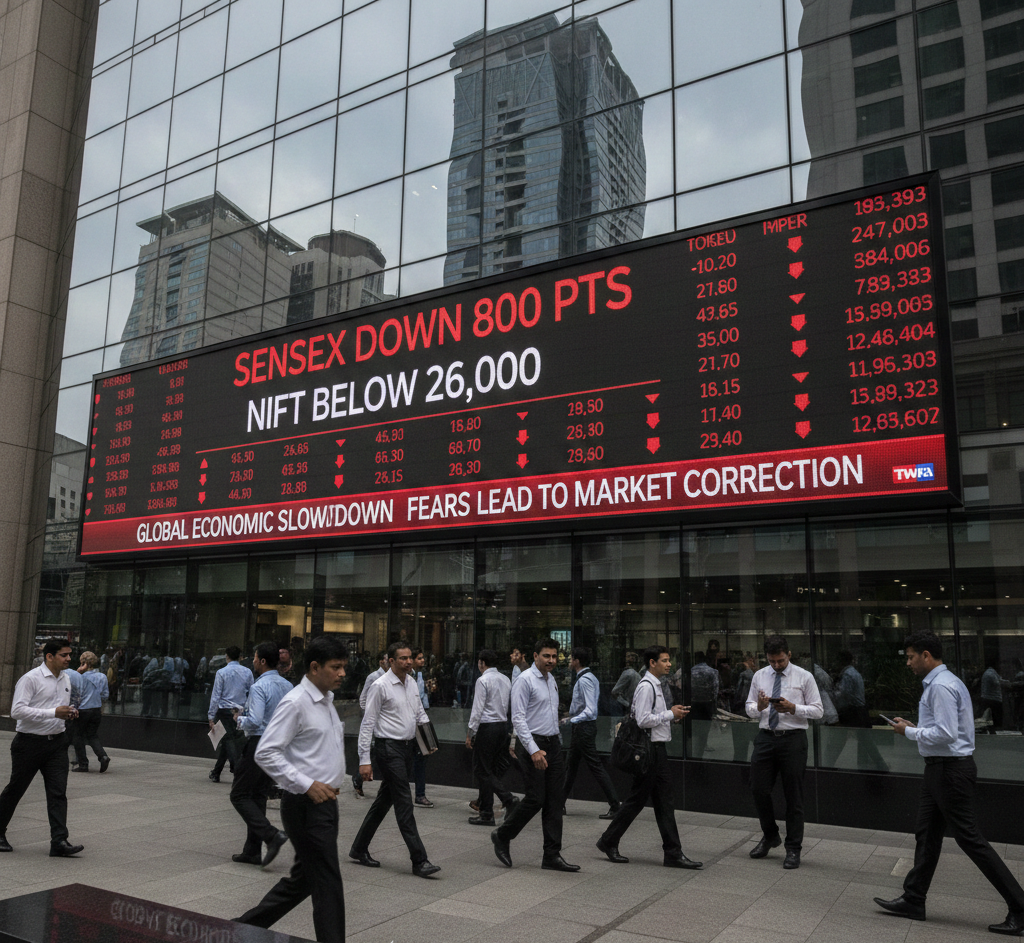
Stock markets in 2025 have shown sudden swings due to global economic uncertainty, geopolitical tensions, and shifting interest-rate expectations. Many investors are seeking safer instruments that offer predictable returns.
2. Better Fixed-Income Awareness
More investors — especially millennials and first-time earners — now understand the importance of portfolio balance. They’re learning that fixed income isn’t just for the risk-averse but for anyone looking to stabilize returns.
3. Attractive Yield Opportunities
With interest-rate cycles shifting, certain fixed-income products — especially government bonds, corporate NCDs, and long-duration debt funds — are offering yields that compete well with equity returns, without the same level of risk.
4. Digital Platforms Simplifying Access
Bond marketplaces, fintech apps, and online investment platforms have made it easier for retail investors to discover, compare, and purchase fixed-income products.
🔄 How Retail Investors Are Strategizing Differently in 2025
Today’s investors are not just dumping money into long-term fixed deposits. Instead, they’re adopting more sophisticated strategies:
1. Laddering Fixed Income
Rather than locking money into one long-term deposit, investors are spreading investments across different maturities. This helps balance liquidity, returns, and risk.
2. Using Debt Funds to Ride Rate Cycles
With expectations of fluctuating interest rates, retail investors are choosing dynamic bond funds, gilt funds, and long-duration debt funds that can benefit during rate cuts.
3. Balancing Liquidity and Yield
Short-duration and ultra-short–duration debt instruments are gaining popularity among those who want access to money without sacrificing stability.
4. Considering Credit Risk More Seriously
Investors are now more cautious about high-yield corporate bonds. Ratings, issuer profiles, and default history matter more than ever.
5. Real Return Focus (After-Tax + Inflation)
In 2025, investors are paying attention to real returns, not just headline interest rates. They’re comparing taxable FDs with more tax-efficient debt funds or bonds.
📈 What Fixed-Income Products Are Gaining Popularity
Retail investors in 2025 are increasingly diversifying their fixed-income baskets:
Government Securities (G-Secs) for maximum safety
Corporate Bonds and NCDs for higher yields
Debt Mutual Funds for flexibility and return potential
Gilt Funds to benefit from interest-rate changes
Short-Term Bond Funds for liquidity
Laddered Fixed Deposits for predictable returns
This blend helps investors lower risk while still capturing attractive yields.
⚠️ Risks Investors Are Watching Closely
Even as fixed income grows in popularity, retail investors in 2025 remain mindful of:
1. Interest-Rate Risk
Long-duration bonds can gain or lose value depending on rate changes. Investors are learning to match bond duration with their financial goals.
2. Credit Risk
Higher-yield instruments may come with higher default risk. Due diligence is now essential.
3. Liquidity Constraints
Certain bonds or long-term FDs lock funds in place, so investors are balancing liquid options with high-yield ones.
4. Taxation Impact
Tax structure matters — especially for high-income investors. Debt funds and tax-saving bonds are being evaluated not just by return, but by tax efficiency.
🧠 What This Shift Means for the Indian Investor in 2025
The 2025 investor is smarter, more informed, and more strategic:
They no longer see fixed income as “boring.”
They view it as an essential stabilizer for wealth-building.
They understand that long-term portfolio health comes from balance, not extremes.
They are using fixed-income instruments to reduce volatility and protect capital while still growing wealth.
Conclusion: Fixed Income Becomes a Core Strategy in 2025
Retail investors in 2025 are embracing fixed-income products like never before. With a deeper understanding of risk, better access to instruments, and a desire for financial stability, fixed income is no longer a defensive move — it’s a deliberate, strategic weapon in the modern portfolio.
The message is clear:
2025 is the year fixed-income investing becomes mainstream again.